Strategy
Credit Card vs. Personal Loan: Which Is Better for You?
Both let you borrow money, but the costs, terms, and best use cases are very different. Here's how to choose the right option.
CardCompare TeamFebruary 15, 2026Updated Mar 20267 min read
When you need to borrow money — whether for a large purchase, debt consolidation, or an emergency — you typically have two main options: a credit card or a personal loan. Each has distinct advantages depending on the amount, timeline, and your financial situation.
Quick Comparison
- Credit cards: Revolving credit, variable APR (18-29%), flexible payments, rewards earning, best for short-term borrowing under $5,000
- Personal loans: Fixed installments, fixed APR (6-24%), predictable payoff date, no rewards, best for large purchases or debt consolidation over $5,000
When a Credit Card Is Better
- You can pay it off within a 0% intro APR period (12-21 months)
- The amount is under $5,000
- You want to earn rewards on the purchase
- You need revolving access (not a one-time lump sum)
- You have good credit and can get a 0% APR card
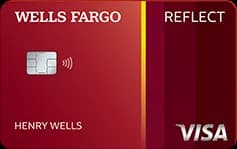
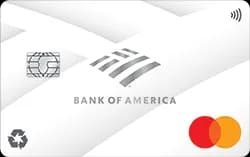
Best 0% APR cards for large purchases

When a Personal Loan Is Better
- You need to borrow $5,000+ and need more than 21 months to repay
- You want a fixed monthly payment and guaranteed payoff date
- Your credit isn't good enough for a 0% APR card
- You need the discipline of fixed payments (can't add more to the balance)
- You're consolidating multiple credit card debts into one payment
The Math: $10,000 Borrowing Comparison
Scenario: You need to borrow $10,000 and can pay $400/month.
- Credit card at 24% APR: Paid off in ~32 months, total interest: ~$2,880
- 0% APR card (21 months): Paid off in 25 months ($400/mo), total interest: $0 during intro, then ~$340 for remaining 4 months = ~$340 total
- Personal loan at 10% fixed: Paid off in 28 months, total interest: ~$1,280
- Personal loan at 18% fixed: Paid off in 30 months, total interest: ~$2,040
Best Strategy
For amounts under $10,000 with good credit: use a 0% APR balance transfer card and pay it off before the intro period ends. For larger amounts or longer timelines: a personal loan with a fixed rate gives you predictability and a guaranteed payoff date.
Avoid This Trap
Never use a regular-APR credit card for long-term borrowing. At 24% APR, a $10,000 balance with minimum payments takes 30+ years to pay off and costs over $16,000 in interest.
Was this page helpful?
Related Guides
Comparisons
Travel Cards vs Cash Back: Which Is Right for You?
A side-by-side comparison of travel rewards and cash back cards to help you decide which type suits your lifestyle.
Updated Mar 20267 min
Strategy
Credit Card Churning: An Advanced Strategy Guide
Learn the advanced strategy of earning multiple sign-up bonuses — including the risks, rules, and whether it's right for you.
Updated Mar 202610 min
Comparisons
Chase Sapphire Preferred vs. Reserve: Which Is Worth It?
An in-depth comparison of Chase's two flagship travel cards. We break down the math to show which card delivers more value for your spending.
Updated Mar 20268 min