Getting Started
How to Choose Your First Credit Card
A beginner's guide to picking the right first credit card, building credit responsibly, and avoiding common mistakes.
Michael TorresFebruary 10, 2026Updated Mar 20267 min read
Getting your first credit card is a major financial milestone. Used responsibly, a credit card helps you build a credit history that unlocks better rates on loans, apartments, and even jobs. But choosing the wrong card — or misusing it — can set you back. Here's how to get it right.
Assess Your Starting Point
Your current credit situation determines which cards you can realistically get approved for. If you have no credit history at all, don't apply for premium rewards cards — you'll likely get denied, and the hard inquiry will ding your score.
- No credit history: Look for student cards or secured cards
- Thin file (1-2 accounts): Consider starter rewards cards with easier approval
- Fair credit (580-669): You have more options, but avoid premium cards
- Good credit (670+): Most cards are within reach
Best Cards for First-Timers
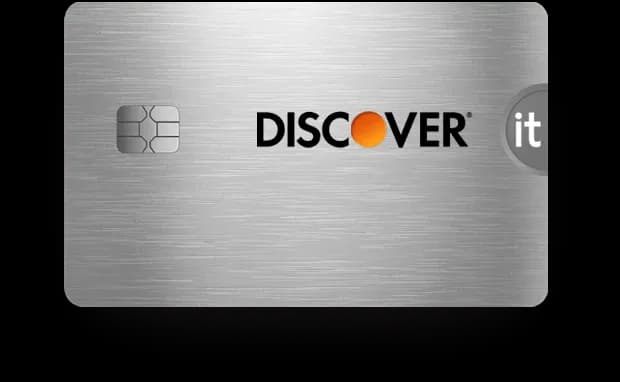
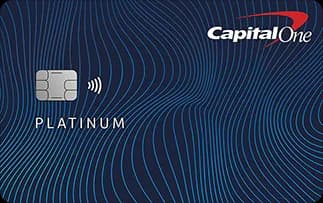
These cards are specifically designed for people building credit. They have lower approval requirements and still offer decent rewards or credit-building tools.
Top cards for building credit

Student Cards vs. Secured Cards
Student cards are unsecured (no deposit required) but typically require proof of enrollment. Secured cards require a refundable deposit that becomes your credit limit, but they're available to almost everyone regardless of credit history.
Good to Know
Most secured cards will automatically graduate to an unsecured card after 6-12 months of responsible use, returning your deposit.
What to Look For
- No annual fee — you shouldn't pay a fee while building credit
- Reports to all three credit bureaus (Experian, Equifax, TransUnion)
- Low or no foreign transaction fee if you travel
- Automatic credit limit increases after responsible use
- A clear upgrade path to better cards within the same bank
Common Mistakes to Avoid
- Applying for too many cards at once — each application creates a hard inquiry
- Carrying a balance and paying interest — always pay your statement balance in full
- Maxing out your credit limit — keep utilization below 30%, ideally below 10%
- Only making minimum payments — this leads to expensive interest charges
- Closing your first card — length of credit history matters, keep it open
Important
Credit card interest rates (APR) typically range from 20-30%. If you carry a $1,000 balance at 25% APR, you'll pay $250 in interest per year. Always pay your full statement balance each month.
Set up autopay for at least the minimum payment to never miss a due date. Late payments can stay on your credit report for 7 years.
Was this page helpful?
Related Guides
Credit Building
Credit Score Guide for Beginners
Everything you need to know about credit scores: what they are, how they're calculated, and how to improve yours.
Updated Mar 20269 min
Student
Best Student Credit Cards of 2026
The best credit cards for college students — build credit responsibly while earning real cash back rewards from day one.
Updated Mar 20266 min
Cash Back
Best No Annual Fee Credit Cards of 2026
Top picks that earn generous rewards without charging a cent in annual fees. These cards are exceptional everyday companions and starter cards.
Updated Mar 20266 min