Chase Sapphire Preferred
$95/yr

Chase
Chase Sapphire Preferred
4.7
(1,842 reviews)travelrewards
Reviewed by CardCompare Editorial Board
|CFP-reviewed|Updated April 2026The gold standard for beginner and intermediate travel rewards. Earn 3x on dining and 2x on travel, with best-in-class trip delay reimbursement, primary car rental coverage, and no foreign transaction fees. Points transfer to 14 airline and hotel partners or redeem at 1.25 cents each through Chase Travel.
Annual Fee
$95
Purchase APR
21.49% – 28.49%
Rewards
1x base rate
Sign-Up Bonus
$750 value
Credit Score
Excellent (750+)
Foreign Txn Fee
None
Who Should Get This Card
The Chase Sapphire Preferred is best suited for experienced cardholders who frequent travelers who dine out often. The $95 annual fee pays for itself if you spend $9,500+/year on this card.
This card is great if you…
- Excellent travel rewards multipliers
- Valuable sign-up bonus
- Strong travel protections
- Frequent travelers who dine out often
Consider another card if you…
- $95 annual fee
- No intro APR offer
- Requires excellent credit
Limited time: earn 75,000 bonus points (up from 60,000)
Updated February 2026
Rewards Breakdown
5x travel via Chase, 3x dining, 2x other travel, 1x everything else
| Category | Rate |
|---|---|
| Travel (Chase) | 5x |
| Dining | 3x |
| Online Groceries | 3x |
| Streaming | 3x |
| Other Travel | 2x |
| Everything else | 1x |
Rewards Distribution
5x
top rate
Travel (Chase)5x29%
Dining3x18%
Online Groceries3x18%
Streaming3x18%
Other Travel2x12%
Everything else1x6%
Sign-Up Bonus
60,000 points after spending $4,000 in 3 months
Average OfferTypical bonus level
Low: $600Avg: $707High: $900
Current
$750
Bonus History
23
23
24
24
24
26
26
Fees & APR
| Annual Fee | $95 |
| Purchase APR | 21.49% – 28.49% |
| Balance Transfer Fee | 5% |
| Foreign Transaction Fee | None |
| Late Fee | Up to $40 |
Pros & Cons
Excellent travel rewards multipliers
Valuable sign-up bonus
Strong travel protections
No foreign transaction fees
$95 annual fee
No intro APR offer
Requires excellent credit
The Bottom Line
The Good: The Chase Sapphire Preferred stands out for its excellent travel rewards multipliers. The welcome bonus worth $750 adds significant first-year value. No foreign transaction fees make it a strong pick for international spending.
The Not So Good: $95 annual fee. The $95 annual fee means you need to use the card actively to justify the cost. You'll need excellent credit (750+) to qualify.
Our Verdict: With an editor score of 9/10, the Chase Sapphire Preferred is one of our top-rated cards in its category. Make sure you'll earn at least $95 in value annually to justify the fee.
Frequently Asked Questions
What is the annual fee for the Chase Sapphire Preferred?▾
The Chase Sapphire Preferred has a $95 annual fee. Consider whether the rewards and perks you'll use offset this cost.
What is the sign-up bonus for the Chase Sapphire Preferred?▾
The Chase Sapphire Preferred currently offers a sign-up bonus worth approximately $750. 60,000 points after spending $4,000 in 3 months Terms apply — always verify the current offer directly with the issuer.
How do the rewards work on the Chase Sapphire Preferred?▾
The Chase Sapphire Preferred earns 1x points on all purchases, and up to 5x points in select bonus categories. Points can be redeemed for travel, cash back, gift cards, and more.
What credit score do I need for the Chase Sapphire Preferred?▾
The Chase Sapphire Preferred is recommended for applicants with excellent (750+) credit. Approval is not guaranteed and depends on your full credit profile.
Does the Chase Sapphire Preferred charge a foreign transaction fee?▾
No — the Chase Sapphire Preferred has no foreign transaction fees, making it a solid choice for international purchases and travel abroad.
What is the APR on the Chase Sapphire Preferred?▾
The Chase Sapphire Preferred has a variable purchase APR of 21.49% – 28.49%. If you carry a balance, interest charges can quickly outweigh any rewards earned.
Who is the Chase Sapphire Preferred best for?▾
The Chase Sapphire Preferred is best for Frequent travelers who dine out often. A key advantage: excellent travel rewards multipliers.
Annual Fee Break-Even
$1,000/mo
$100/mo$5,000/mo
Annual rewards earned: $180Annual fee: $95
Card pays for itself! You earn $85 more than the annual fee at this spend level.
Based on 1x base rewards rate @ 1.5¢ per point. Bonus category spending may reduce your break-even point.
Expert Review
By Sarah Chen · 12 min read · Updated 2026-03-01
Who Is the Chase Sapphire Preferred Best For?
The Chase Sapphire Preferred is the gold standard for travelers who want strong rewards without paying a premium annual fee. At just $95 per year, it consistently delivers more value than cards costing three or four times as much. It's ideal for people who spend heavily on dining and travel, want flexible point redemption through Chase's transfer partners, and prefer a card that doesn't require meticulous category tracking.
If you eat out several times a week, book travel at least a few times per year, and want the ability to transfer points to airlines like United, Hyatt, and Southwest, this card belongs in your wallet. It's also an excellent stepping stone — many cardholders eventually upgrade to the Sapphire Reserve once their travel spending justifies the higher fee.
Rewards Deep Dive
The Sapphire Preferred's rewards structure is deceptively powerful. You earn 5x points on travel purchased through Chase Travel (the bank's booking portal), 3x on dining at restaurants worldwide, 3x on online grocery purchases (excluding Target, Walmart, and wholesale clubs), 3x on select streaming services, and 2x on other travel purchases. Everything else earns 1x.
Where this card truly shines is the redemption side. Chase Ultimate Rewards points are worth 1.25 cents each when redeemed through the Chase travel portal — meaning 60,000 points gets you $750 in travel. But the real magic is in transfer partners. Chase partners with 14 airlines and hotels including United MileagePlus, Hyatt World of Hyatt, Southwest Rapid Rewards, British Airways Avios, and Air France-KLM Flying Blue. Transfer ratios are 1:1 in most cases.
Pro Tip: Hyatt Transfers
Point-for-point, transferring Chase UR to World of Hyatt typically yields the highest value — often 2 to 3 cents per point. A Category 4 Hyatt hotel that costs $250/night can be booked for just 15,000 points, giving you 1.67 cpp. Category 1 properties at 5,000 points can yield 2-3 cpp when properties are $100+/night.
Fees and APR Analysis
The $95 annual fee is not waived the first year — a notable change from earlier versions of the card. However, the sign-up bonus alone typically offsets the fee for the first two years. The ongoing value from dining and travel rewards easily justifies $95 for most users who spend $500+/month in bonus categories.
There's no foreign transaction fee, making this an excellent card for international travel. The regular APR ranges from 21.49% to 28.49% variable, which is standard for a rewards card. If you carry a balance, the interest charges will quickly negate any rewards earned — this card is best used as a pay-in-full card.
Sign-Up Bonus Value
The current sign-up bonus of 60,000 Ultimate Rewards points after spending $4,000 in the first 3 months is worth at least $750 when redeemed through the Chase travel portal (at 1.25 cpp). Through transfer partners, savvy redeemers can extract $900-$1,200 in value from 60,000 points. That's an exceptional return on the $95 annual fee.
The $4,000 spending requirement over 3 months ($1,333/month) is manageable for most households. If your regular spending doesn't hit this threshold, consider timing the application before a large planned purchase — but never spend money you wouldn't otherwise just to hit a bonus.
Chase 5/24 Rule
Chase will generally deny your application if you've opened 5 or more credit cards (from any bank) in the past 24 months. Plan your applications accordingly and consider getting Chase cards first before applying for cards from other issuers.
How It Compares to Alternatives
vs. Chase Sapphire Reserve: The Reserve offers 10x on Chase Travel, 3x on dining/travel, a $300 annual travel credit, Priority Pass lounge access, and 1.5x portal redemption — but costs $550/year. If you spend more than $10,000/year on travel and value lounge access, the Reserve delivers more. For most people spending under that, the Preferred is the better value.
vs. Amex Gold: The Amex Gold earns 4x at restaurants (vs. CSP's 3x) and 4x at U.S. supermarkets, plus offers $120 in annual dining credits and $120 in Uber Cash. However, Amex has fewer transfer partners for domestic travel, and Amex acceptance internationally lags behind Visa. If your spending leans heavily toward groceries and dining, the Gold may edge ahead. For travel flexibility, the CSP wins.
vs. Capital One Venture X: The Venture X offers 2x on everything, a $300 annual travel credit, Priority Pass lounge access, and 10x on Capital One Travel — all for $395/year. With the travel credit, the effective fee is just $95. The Venture X is arguably the better premium travel card, but it lacks the CSP's superior airline and hotel transfer partner network.
Trip Protection & Insurance
The Sapphire Preferred includes solid travel protections: trip cancellation/interruption insurance up to $10,000 per person ($20,000 per trip), primary auto rental collision damage waiver (CDW) — which means it pays before your personal auto insurance — baggage delay insurance, and trip delay reimbursement.
The primary rental car coverage alone can save you $15-30 per day on rental car insurance, making this card worth carrying even if you rarely use other perks. Purchase protection covers new purchases for 120 days against damage or theft, up to $500 per claim.
The Bottom Line
The Chase Sapphire Preferred remains one of the best all-around travel credit cards available. Its $95 annual fee is a fraction of what premium competitors charge, yet it offers a powerful combination of bonus earning rates, flexible transfer partners, and solid travel protections. For anyone who spends on dining and travel and wants maximum flexibility with their rewards, this card should be at the top of your list.
The only significant drawback is the lack of a first-year annual fee waiver and no lounge access. If those matter to you, consider the Capital One Venture X or Chase Sapphire Reserve instead. But for pure rewards value per dollar of annual fee, the Sapphire Preferred is hard to beat in 2026.
Customer Reviews
4.7
1,842 reviews
5
2
4
1
3
0
2
0
1
0
MT
Michael T.Verified CardholderDec 15, 2026
Best travel card for the price
I've had this card for 3 years and the points add up fast. The 3x on dining alone makes the $95 fee worth it. Transferred points to Hyatt and got amazing redemptions.
SL
Sarah L.Verified CardholderNov 20, 2026
Great card but wish it had lounge access
Love the rewards structure and travel protections. Only downside is no lounge access — you'd need the Reserve for that. But for $95, this is hard to beat.
JK
James K.Verified CardholderOct 5, 2026
Points transfer is the real value
The ability to transfer to partners like Hyatt and United is where this card really shines. Got a $500/night hotel room for 15,000 points.
Was this page helpful?
Similar Cards You Might Like


Upgrade & Downgrade Options
↑
Upgrade to Chase Sapphire Reserve
Product change after 1 year. No bonus but no hard pull. $550 AF kicks in immediately.
↓
Downgrade to Chase Sapphire Reserve
Downgrade to save $455/yr if you're not using Reserve benefits.
↓
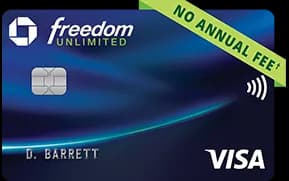
Downgrade to Chase Freedom Unlimited
Upgrade if you want transfer partners. Must be 1+ year old.
Head-to-Head Comparisons
People Also Compare
amex
Chase Sapphire Preferred vs American Express Gold Card
American Express · $$250/yr
visa
Chase Sapphire Preferred vs Chase Sapphire Reserve
Chase · $$550/yr
visa
Chase Sapphire Preferred vs Capital One Venture X Rewards
Capital One · $$395/yr
visa
Chase Sapphire Preferred vs Wells Fargo Autograph Journey Card
Wells Fargo · $$95/yr
mastercard
Chase Sapphire Preferred vs Citi Strata Premier Card
Citi · $$95/yr
visa
Chase Sapphire Preferred vs Bank of America Premium Rewards Card
Bank of America · $$95/yr
Industry Ratings
4.8/5 avg
NerdWallet
4.9
Bankrate
4.8
TPG
4.7
Ratings from independent review sites. CardCompare is not affiliated with these sources.