Getting Started
The Complete Beginner's Guide to Credit Cards (2026)
Everything you need to know about credit cards — from how they work to choosing your first card, using it responsibly, and building credit.
CardCompare TeamJanuary 10, 2026Updated Mar 202610 min read
Credit cards can be your best financial tool — or your worst enemy. Used well, they build credit, earn rewards, and protect your purchases. Used poorly, they create debt spirals that take years to escape. This guide covers everything a beginner needs to know.
How Credit Cards Actually Work
A credit card is a short-term loan. Your issuer gives you a credit limit (say $5,000). You can spend up to that limit. Every month, you get a statement with your balance. If you pay the full statement balance by the due date, you pay zero interest. If you only pay the minimum, you'll be charged interest (APR) on the remaining balance.
- Credit limit: Maximum amount you can borrow at any time
- Statement balance: Total charges during the billing period
- Minimum payment: The smallest amount you must pay (usually $25 or 1-2% of balance)
- APR: Annual Percentage Rate — the interest charged on carried balances (typically 19-29%)
- Grace period: ~21-25 days between statement date and due date — no interest if paid in full
- Utilization: The percentage of your credit limit you're using (keep under 30%)
The Golden Rule
Always pay the full statement balance every month. This means you'll never pay a penny in interest, and the bank essentially gives you a free 25-day loan on every purchase. Rewards cards only make sense if you never carry a balance.
Choosing Your First Card
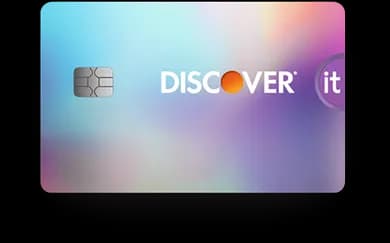
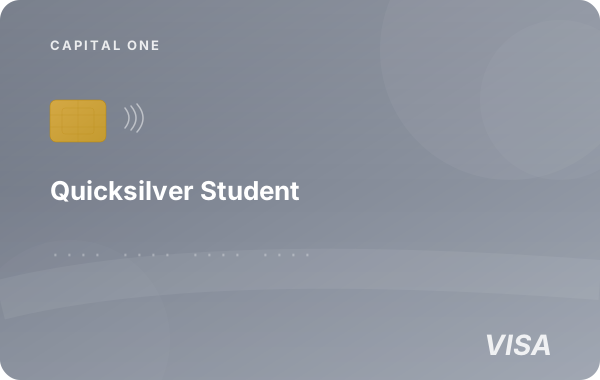
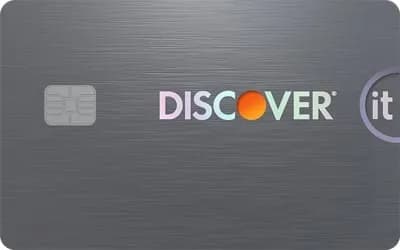
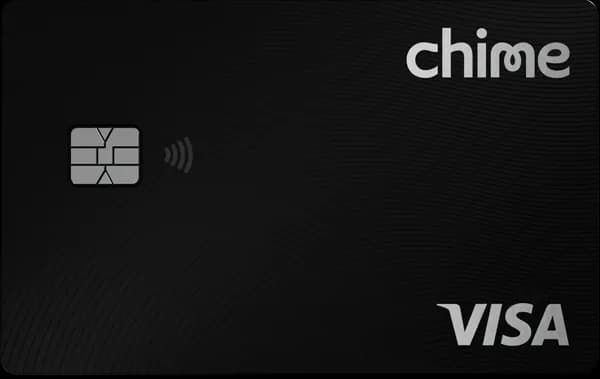
Best starter cards for credit beginners
Building Credit: The First 12 Months
- Month 1: Set up autopay for the full balance — this is the single most important step
- Months 1-3: Use the card for small, regular purchases (gas, groceries, streaming)
- Month 3: Check your credit score — you should see a FICO score of 650-700
- Month 6: Consider requesting a credit limit increase (helps your utilization ratio)
- Month 12: You're ready for a better rewards card — consider the Chase Freedom Flex or Citi Custom Cash
Common Beginner Mistakes
- Carrying a balance 'to build credit' — MYTH. Paying in full builds credit just as well, with zero interest cost
- Only making minimum payments — this creates a debt spiral. A $5,000 balance at 24% with minimums takes 20+ years to pay off
- Applying for too many cards at once — each application causes a hard inquiry that temporarily lowers your score
- Maxing out your credit limit — high utilization (above 30%) tanks your credit score
- Closing your first card — even after upgrading, keep it open. It helps your credit history length and utilization ratio
If You Can't Pay in Full
If you find yourself unable to pay the full statement balance, STOP using the card immediately. Pay as much as you can above the minimum. Never put new charges on a card that has an existing balance — the interest on credit cards (20%+) is devastating.
Was this page helpful?
Related Guides
Getting Started
How to Choose Your First Credit Card
A beginner's guide to picking the right first credit card, building credit responsibly, and avoiding common mistakes.
Updated Mar 20267 min
Credit Building
Credit Score Guide for Beginners
Everything you need to know about credit scores: what they are, how they're calculated, and how to improve yours.
Updated Mar 20269 min
Cash Back
Best No Annual Fee Credit Cards of 2026
Top picks that earn generous rewards without charging a cent in annual fees. These cards are exceptional everyday companions and starter cards.
Updated Mar 20266 min