Best Credit Cards for Retirees
Retirees often travel more and spend more on healthcare, dining out, and leisure while cutting commuting and childcare. A travel-focused card (CSR or Venture X) pays off on 3-4 annual trips, while a 6% supermarket card captures the 30-50% of monthly spend that stays at grocery stores.
Monthly spending breakdown for this profile
Total monthly spend: $2,720 ($32,640/year)
Top pick for retiree: IHG One Rewards Premier Credit Card

IHG One Rewards Premier Credit Card
Chase · $99 annual fee
One of the best hotel cards for value. The annual free night (worth up to 40,000 points, often $150+) alone justifies the $99 fee. IHG Platinum Elite status, 4th-night-free on reward stays, and a massive 26x earning rate at IHG properties make this a must for IHG loyalists.
Est. annual rewards
$1,782
Net after fees
$1,683
Full ranking — best cards for a retiree
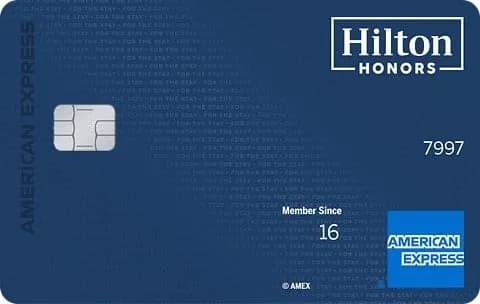
Hilton Honors American Express Surpass Card
American Express · $150 annual fee
Net value
$1,487/yr
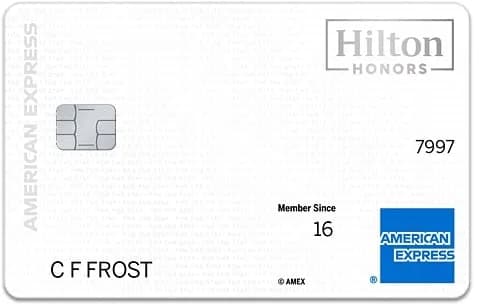
Hilton Honors American Express Card
American Express · No annual fee
Net value
$1,483/yr

Marriott Bonvoy Boundless
Chase · $95 annual fee
Net value
$1,077/yr

Chase Sapphire Preferred
Chase · $95 annual fee
Net value
$1,043/yr
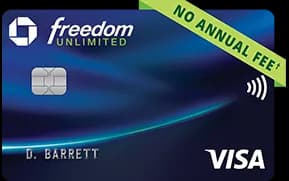
Chase Freedom Unlimited
Chase · No annual fee
Net value
$721/yr
What to prioritize as a retiree
- 1Travel card pays off with 3-4 annual trips (cruises, visits to family)
- 2Medical co-pay cards with HSA linkage optimize healthcare spend
- 3Fixed-income budgeting favors no-fee catch-all cards over complex multipliers
- 4Age 65+ status matters little for credit card approval — income and credit score dominate
Pitfalls to avoid
- ✕Don't chase high-fee cards on fixed income — $500+ fees rarely justify on retirement spending
- ✕Avoid complex rotating categories — setup friction increases with time
- ✕Don't cancel old cards — they anchor your long credit history now essential for any remaining loans
Frequently asked questions
What's the best credit card for retirees?⌄
A dual stack of Capital One Venture X ($395 fee but $300 automatic travel credit + 10K anniversary miles nets $95+ per year) + Amex Blue Cash Preferred ($95, 6% on supermarkets) covers travel and groceries — the two categories that expand in retirement.
Do retirees qualify for credit cards on fixed income?⌄
Yes — Social Security, pension, 401(k) withdrawals, and investment income all count as income on credit card applications. Credit score matters more than income type for approvals.
Should retirees cancel cards they no longer use?⌄
Rarely — old accounts anchor your credit history. If the card has a fee, downgrade to a no-fee version instead (Chase Sapphire Reserve → Freedom Unlimited preserves the account age and Ultimate Rewards access).
What credit score do retirees typically have?⌄
Retirees with 30+ years of credit history often have FICO in the 780-830 range — excellent. This qualifies for every card and the best interest rates, even if applying rarely matters at this stage.
Are AARP credit cards worth it?⌄
The AARP Credit Card from Barclays offers 3% on gas and dining, 2% on groceries — decent but not best-in-class. Most retirees do better with dedicated category cards (BCP for groceries, Venture X for travel) than an AARP-branded all-in-one.