Best Metal Credit Cards (April 2026)
Premium metal cards with a satisfying heft and top-tier perks
Metal credit cards signal premium status — they're heavier, more durable, and come with the most exclusive perks in the industry. From the iconic Amex Platinum to the Chase Sapphire Reserve's stainless steel, these cards combine prestige with substantial value through lounge access, travel credits, and elevated earning rates.
Reviewed by CardCompare Editorial Board
|CFP-reviewed|Updated April 20269 cards foundUpdated April 2026
Credit Card
Annual Fee
Rewards Rate
Intro Offer
BEST METAL CREDIT CARDS

Capital One
Capital One Venture X Rewards
4.8
Best for: Premium travelers seeking maximum value
$395
2x–10x
miles
$750 value
Annual Fee
$395
Rewards
2x–10x
Intro Offer
$750 value
Editor's Pick9/10 score

Chase
Chase Sapphire Reserve
4.5
Best for: Frequent luxury travelers
$550
1x–10x
points
$900 value
Annual Fee
$550
Rewards
1x–10x
Intro Offer
$900 value
Editor's Pick9/10 score
American Express
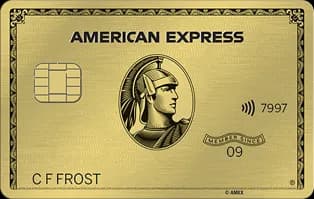
American Express Gold Card
4.6
Best for: Foodies and grocery shoppers
$250
1x–4x
points
$600 value
Annual Fee
$250
Rewards
1x–4x
Intro Offer
$600 value
American Express
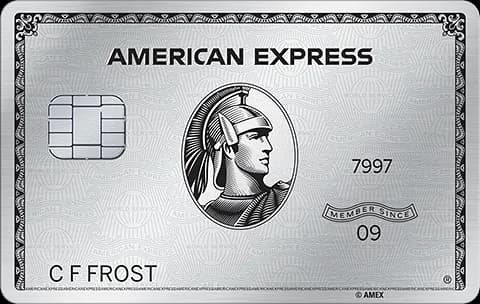
American Express Platinum
4.4
Best for: Ultra-frequent travelers who can maximize credits
$695
1x–5x
points
$800 value
Annual Fee
$695
Rewards
1x–5x
Intro Offer
$800 value
Not sure which card is right for you?
Answer 5 quick questions — we'll match you with your best card.
American Express
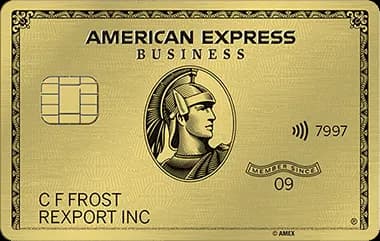
American Express Business Gold
4.4
Best for: Businesses with variable top spending categories
$295
1x–4x
points
$1,000 value
Annual Fee
$295
Rewards
1x–4x
Intro Offer
$1,000 value
American Express
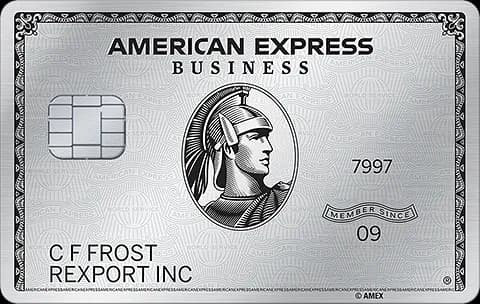
American Express Business Platinum
4.3
Best for: Executives with heavy business travel and large purchases
$695
1x–5x
points
$1,500 value
Annual Fee
$695
Rewards
1x–5x
Intro Offer
$1,500 value

U.S. Bank
U.S. Bank Altitude Reserve Visa Infinite
4.3
Best for: Mobile payment users wanting premium travel perks
$400
1x–5x
points
$750 value
Annual Fee
$400
Rewards
1x–5x
Intro Offer
$750 value

American Express
Delta SkyMiles Platinum American Express Card
4.2
Best for: Frequent Delta flyers who travel with a companion
$350
1x–3x
miles
$900 value
Annual Fee
$350
Rewards
1x–3x
Intro Offer
$900 value

Chase
United Quest Card
4.2
Best for: United flyers who book award flights and check bags
$250
1x–3x
miles
$600 value
Annual Fee
$250
Rewards
1x–3x
Intro Offer
$600 value
Comparing the best cards
| Credit Card | Best For | Annual Fee | Rewards | Intro Offer | Rating |
|---|---|---|---|---|---|
| Capital One Venture X Rewards Capital One | Premium travelers seeking maximum value | $395 | 2x–10x | $750 value | 4.8 |
| Chase Sapphire Reserve Chase | Frequent luxury travelers | $550 | 1x–10x | $900 value | 4.5 |
| American Express Gold Card American Express | Foodies and grocery shoppers | $250 | 1x–4x | $600 value | 4.6 |
| American Express Platinum American Express | Ultra-frequent travelers who can maximize credits | $695 | 1x–5x | $800 value | 4.4 |
| American Express Business Gold American Express | Businesses with variable top spending categories | $295 | 1x–4x | $1,000 value | 4.4 |
| American Express Business Platinum American Express | Executives with heavy business travel and large purchases | $695 | 1x–5x | $1,500 value | 4.3 |
| U.S. Bank Altitude Reserve Visa Infinite U.S. Bank | Mobile payment users wanting premium travel perks | $400 | 1x–5x | $750 value | 4.3 |
| Delta SkyMiles Platinum American Express Card American Express | Frequent Delta flyers who travel with a companion | $350 | 1x–3x | $900 value | 4.2 |
| United Quest Card Chase | United flyers who book award flights and check bags | $250 | 1x–3x | $600 value | 4.2 |
Head-to-Head Comparisons
Capital One Venture X Rewards vs Chase Sapphire Reserve
Winner: Capital One Venture X Rewards — Lower effective cost with comparable premium perks
American Express Platinum vs Capital One Venture X Rewards
Winner: Capital One Venture X Rewards — Much better value — comparable perks at a significantly lower cost
American Express Gold Card vs Chase Sapphire Reserve
Chase Sapphire Reserve vs American Express Platinum
Winner: Chase Sapphire Reserve — Better value for most people with lower fee and stronger everyday earning
How We Ranked These Cards
Our metal card rankings evaluate premium credit cards featuring metal card construction and focus on build quality and design (15%), total annual reward value (25%), premium perks including lounge access, travel credits, and elite status (25%), sign-up bonus value (15%), annual fee efficiency (10%), and exclusivity and brand cachet (10%).
We model a premium spender ($5,000-$10,000/month) who values both tangible card quality and top-tier benefits. Metal cards range from the stainless steel Amex Platinum (24g) to the titanium Apple Card (14g) to the palladium-coated JP Morgan Reserve (27g). Beyond aesthetics, we evaluate whether the card's rewards justify its typically premium annual fee ($250-$5,000), comparing net value against non-metal alternatives with identical or better earning rates.
What You Need to Know
Metal credit cards have become the ultimate status symbol in personal finance, with their satisfying weight, premium feel, and distinctive clank when placed on a table. But beyond the flex factor, metal cards typically represent the highest tier of any issuer's product lineup — and the most comprehensive benefit packages in the industry.
The metal card market spans a wide range. Entry-level metal cards include the Capital One Venture X ($395/yr, 14g aluminum), Chase Sapphire Reserve ($550/yr, stainless steel), and Apple Card (free, titanium). Mid-tier includes the Amex Gold ($325/yr, stainless steel with rose gold finish) and Amex Platinum ($695/yr, stainless steel). At the ultra-premium end, the JP Morgan Reserve Card (invitation-only, palladium coating) and Amex Centurion (invitation-only, titanium, $10,000 initiation + $5,000/yr) represent the pinnacle of metal card exclusivity.
Weight and material vary significantly. The Amex Centurion is the heaviest widely-known metal card at approximately 28 grams of anodized titanium. The Chase Sapphire Reserve weighs about 15 grams of stainless steel with a PVC core. The Apple Card is pure titanium at 14 grams with laser-etched personalization and no visible card number. The Amex Platinum was redesigned in 2024 with a refreshed stainless steel body and new color options. Material composition matters for durability — pure metal cards resist bending and scratching better than metal-PVC hybrids.
The practical consideration is whether a metal card's benefits justify its fee compared to a plastic card with similar or better rewards. The Capital One Venture X ($395/yr) offers essentially the same lounge access and earning rates as the Chase Sapphire Reserve ($550/yr) at a lower fee — and both are metal. Meanwhile, the Citi Double Cash (plastic, no annual fee) earns 2% flat on everything, matching the effective rate of many metal cards on non-bonus spending. Metal card consumers should calculate net annual value after subtracting the fee, not assume metal equals better.
Airport lounge access is the most universally valued metal card perk. The Amex Platinum provides the widest network: Centurion Lounges (Amex-exclusive), Priority Pass (1,400+ lounges), Delta Sky Clubs (when flying Delta), Lufthansa Lounges, Plaza Premium, and Escape Lounges. The Chase Sapphire Reserve and Capital One Venture X include Priority Pass. For frequent travelers, a single lounge visit worth $50-$75 can pay for itself after 6-8 visits annually.
Expert Tips
The Capital One Venture X is the best-value metal card for most people
At $395/year with a $300 travel credit (effectively $95 net), the Venture X offers Priority Pass lounge access, 2x on everything, 10x on hotels/cars through Capital One Travel, and a 75,000-mile sign-up bonus. Its aluminum construction feels premium, and the net cost is lower than competitors with similar benefits.
Use the Apple Card as a no-fee metal card for everyday purchases
The Apple Card is the only metal credit card with no annual fee. Its titanium construction, laser-etched design, and lack of visible card numbers make it one of the most distinctive cards in any wallet. At 3% on Apple Pay and 1% on physical purchases, it's not the highest earner but offers metal luxury at zero cost.
Stack a metal travel card with a no-fee high-earning card
Pair one metal premium card (Venture X or Sapphire Reserve for lounge access and travel credits) with a no-fee Citi Custom Cash (5% on top category) or Amex Blue Cash Everyday (3% groceries). This gives you the premium metal card experience for travel and a high-earning workhorse for daily spending.
Common Mistakes to Avoid
Choosing a metal card for aesthetics over actual benefit value
A beautiful stainless steel card with a $550 annual fee that you don't maximize is worse than an ugly plastic card earning 2% on everything. Calculate the net annual value — rewards and credits minus annual fee — before choosing a metal card. Some metal cards (like Apple Card) have no annual fee, proving metal doesn't require premium pricing.
Not realizing metal cards can cause issues at some chip readers
Some older chip readers have difficulty reading metal cards due to their thickness and material composition. The chip slot may not grip properly, or contactless terminals may have interference. While rare with modern terminals, carry a backup card or use Apple Pay/Google Pay as a fallback when traveling to areas with older payment infrastructure.
Paying for multiple metal cards with overlapping lounge benefits
If you hold both the Amex Platinum ($695/yr) and Chase Sapphire Reserve ($550/yr), you're paying $1,245/year for two Priority Pass memberships and two metal cards. Consolidate to one premium metal card for lounge access and pair it with a no-fee high-earning card. One premium card plus Amex Gold covers most needs at lower total cost.
Frequently Asked Questions
What credit cards are made of metal?▾
Popular metal cards include: Amex Platinum (stainless steel, $695/yr), Chase Sapphire Reserve (stainless steel, $550/yr), Capital One Venture X (aluminum, $395/yr), Amex Gold (stainless steel, $325/yr), Apple Card (titanium, $0/yr), and Amex Centurion (titanium, invitation-only). Many premium cards from Citi, Bank of America, and others also feature metal construction.
Is a metal credit card worth the annual fee?▾
Metal construction alone doesn't justify a premium fee — the benefits do. The Capital One Venture X ($395/yr, $300 travel credit) is worth it for travelers using lounge access and earning 2x miles. The Amex Platinum ($695/yr) is worth it if you use its $1,500+ in annual credits. If you won't use the perks, a free metal card like Apple Card is smarter.
What is the heaviest credit card?▾
The Amex Centurion (Black Card) is approximately 28 grams of anodized titanium, making it the heaviest widely-known credit card. The JP Morgan Reserve is approximately 27 grams with palladium coating. For comparison, a standard plastic card weighs about 5 grams, and the Chase Sapphire Reserve weighs about 15 grams.
Can metal credit cards go through airport security?▾
Yes. Metal credit cards will not set off airport metal detectors and can remain in your wallet through TSA security. The metal content is too small to trigger alarms. However, if you carry 10+ metal cards, the combined mass could theoretically cause a secondary screening. Keep your wallet in your carry-on bag during X-ray scanning for the smoothest experience.
Do metal cards work with contactless payment and chip readers?▾
Yes. Metal cards include the same EMV chip and NFC contactless antenna as plastic cards. Occasionally, thicker metal cards may fit tightly in certain chip readers, but modern terminals accommodate them. Contactless tap-to-pay works identically to plastic cards. If you ever encounter a reader issue, Apple Pay or Google Pay using the same card works as backup.
Sources
More Best Card Lists
Travel Credit CardsCash Back Credit CardsCredit Cards for DiningNo Annual Fee Credit CardsRewards Credit CardsBalance Transfer CardsStudent Credit CardsCards with No Foreign Transaction FeesBusiness Credit CardsSecured Credit CardsCredit Cards for Bad Credit0% APR Credit CardsCredit Cards for GasCredit Cards for GroceriesFlat-Rate Cash Back CardsPremium Credit CardsHotel Credit CardsAirline Credit CardsCredit Cards for MilitaryCredit Cards for FamiliesCredit Cards for Rent PaymentsCredit Cards for Subscriptions & StreamingLuxury Credit CardsCredit Cards for BeginnersCredit Cards for Online ShoppingCrypto & Fintech Credit CardsSmall Business Credit CardsCredit Cards for Bills & UtilitiesFirst Credit CardsHigh Credit Limit CardsCredit Cards for AmazonCredit Cards for CostcoCredit Cards for Self-EmployedCredit Card Sign-Up BonusesCredit Cards for International TravelCredit Cards for Excellent CreditCredit Cards for Good CreditCredit Cards for Fair CreditVisa Credit CardsMastercard Credit CardsAmerican Express CardsCredit Cards for U.S. NewcomersCredit Cards with Free FICO ScoreCredit Cards for Apple Pay & ContactlessCredit Cards from Online Banks & FintechsCredit Cards with No Credit CheckInstant Approval Credit Cards