Best Secured Credit Cards (April 2026)
Build or rebuild credit with a security deposit
Secured cards require a refundable security deposit, making them accessible even with no credit history or a damaged score. The best ones report to all three credit bureaus, charge minimal fees, and offer a clear upgrade path to a regular unsecured card once your credit improves.
Reviewed by CardCompare Editorial Board
|CFP-reviewed|Updated April 20265 cards foundUpdated January 2026
Credit Card
Annual Fee
Rewards Rate
Intro Offer
BEST SECURED CREDIT CARDS
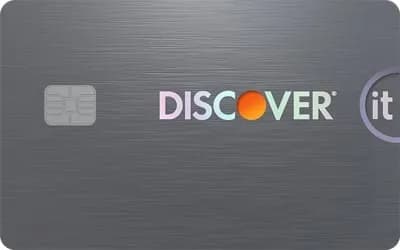
Discover
Discover it Secured Credit Card
4.6
Best for: Building credit while earning real rewards
$0
1%–2%
cashback
$75 value
Annual Fee
$0
Rewards
1%–2%
Intro Offer
$75 value
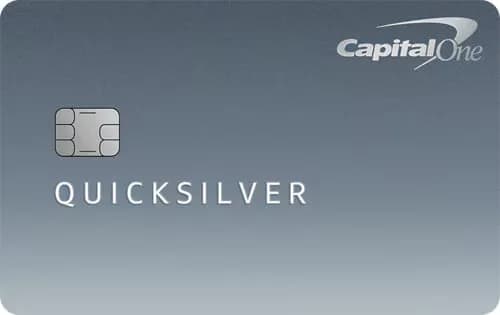
Capital One
Capital One Quicksilver Secured Cash Rewards
4.3
Best for: Credit builders wanting flat-rate rewards
$0
1.5%
cashback
N/A
Annual Fee
$0
Rewards
1.5%
Intro Offer
N/A
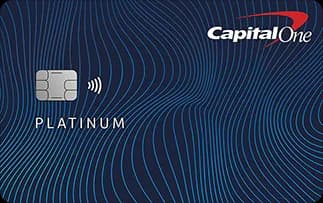
Capital One
Capital One Platinum Secured
4
Best for: Building or rebuilding credit
$0
None
cashback
N/A
Annual Fee
$0
Rewards
None
Intro Offer
N/A
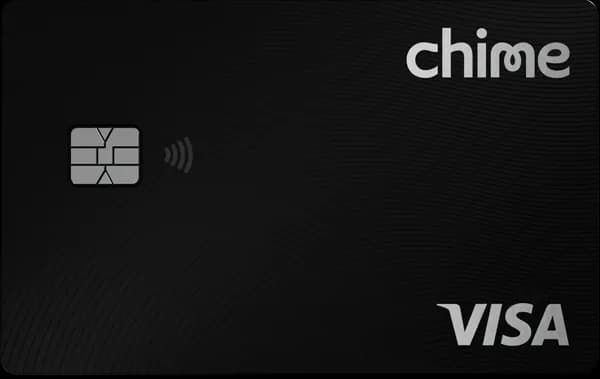
Stride Bank
Chime Credit Builder Secured Visa
4.2
Best for: People who want a risk-free way to build credit
$0
None
cashback
N/A
Annual Fee
$0
Rewards
None
Intro Offer
N/A
Not sure which card is right for you?
Answer 5 quick questions — we'll match you with your best card.

Capital Bank
OpenSky Secured Visa Credit Card
3.9
Best for: People rejected everywhere else who need to start building credit
$35
None
cashback
N/A
Annual Fee
$35
Rewards
None
Intro Offer
N/A
Comparing the best cards
| Credit Card | Best For | Annual Fee | Rewards | Intro Offer | Rating |
|---|---|---|---|---|---|
| Discover it Secured Credit Card Discover | Building credit while earning real rewards | $0 | 1%–2% | $75 value | 4.6 |
| Capital One Quicksilver Secured Cash Rewards Capital One | Credit builders wanting flat-rate rewards | $0 | 1.5% | — | 4.3 |
| Capital One Platinum Secured Capital One | Building or rebuilding credit | $0 | 0% | — | 4 |
| Chime Credit Builder Secured Visa Stride Bank | People who want a risk-free way to build credit | $0 | 0% | — | 4.2 |
| OpenSky Secured Visa Credit Card Capital Bank | People rejected everywhere else who need to start building credit | $35 | 0% | — | 3.9 |
Head-to-Head Comparisons
How We Ranked These Cards
Secured cards are ranked on path to graduation (unsecured upgrade) (30%), rewards earning despite deposit requirement (20%), minimum deposit amount (15%), annual fee (15%), and credit bureau reporting to all three bureaus (20%).
The graduation path is critical — the best secured cards automatically review your account for unsecured conversion after 6-12 months of on-time payments, returning your deposit without closing the account. Cards that report to all three bureaus (Equifax, Experian, TransUnion) ensure your responsible use builds credit everywhere it matters.
What You Need to Know
Secured credit cards are the most reliable pathway to building or rebuilding credit, yet many consumers misunderstand how they work and choose poorly among available options. The fundamental mechanism is straightforward: you provide a refundable cash deposit (typically $200-$2,000) that serves as your credit limit, and the card functions identically to any unsecured credit card. The issuer reports your payment history to credit bureaus, and your credit score improves with consistent on-time payments and low utilization.
The Discover it Secured stands apart from virtually every competitor because it combines credit-building with genuine rewards — 2% cash back at gas stations and restaurants (on up to $1,000 in combined purchases each quarter) and 1% on everything else, plus Cashback Match that doubles all rewards earned in your first year. Most secured cards offer zero rewards, making Discover's offering remarkable. The Capital One Platinum Secured is another strong choice with no annual fee and a low minimum deposit of $49-$200 based on creditworthiness, though it lacks rewards.
Graduation timelines vary significantly between issuers, and this is where card selection matters most. Discover automatically reviews accounts for unsecured conversion after 8 months of responsible use — meaning your deposit is returned and your credit line may increase without closing and reopening the account. Capital One reviews after approximately 6 months. Avoid secured cards from lesser-known issuers like First Premier, Indigo, or Surge, which charge annual fees of $75-125 on a $200 credit line, may not graduate to unsecured, and exist primarily to profit from consumers with limited options.
The deposit strategy matters more than most people realize. Depositing the maximum you can afford (up to $2,500 with some issuers) gives you a higher credit limit, which makes it easier to maintain low utilization. With a $200 limit, spending $60 puts you at 30% utilization — damaging to your score. With a $1,000 limit, that same $60 is 6% utilization — ideal for score building. Think of the deposit as a temporary savings account that accelerates your credit journey, not as money lost.
Expert Tips
Your deposit equals your credit limit — deposit what you can afford to lock up
Most secured cards require $200-500. Depositing more gives you a higher limit and lower utilization ratio, which directly improves your credit score. If you can afford $500, deposit $500 — your score will benefit from the lower utilization percentage.
Target graduation within 8-12 months
Use the card for 1-2 small recurring purchases, pay in full every month, and keep utilization under 10%. After 8-12 months of perfect history, request an upgrade. Discover and Capital One are known for fast graduation timelines.
Avoid secured cards with annual fees if possible
Some secured cards charge $25-49/year — which eats into a small credit limit. The Discover it Secured and Capital One Platinum Secured both have $0 annual fees. There's no reason to pay an annual fee on a credit-building card.
Common Mistakes to Avoid
Choosing a secured card with high annual fees
Cards from First Premier, Indigo, and similar subprime issuers charge $75-125 in annual fees on $200-300 credit limits — meaning fees consume 25-50% of your available credit before you make a single purchase. The Discover it Secured and Capital One Platinum Secured both have $0 annual fees. Never pay an annual fee on a secured card when fee-free options exist.
Depositing only the minimum amount
A $200 minimum deposit means a $200 credit limit. Spending just $60 on that card puts you at 30% utilization, which hurts your credit score. If you can afford $500-1,000, deposit more — the higher limit makes it dramatically easier to keep utilization under 10%, which is the sweet spot for rapid score improvement. Your deposit is fully refundable.
Closing the card after graduation instead of keeping it open
When your secured card graduates to unsecured, keep it open. The account age continues building, contributing to the 'length of credit history' factor (15% of your FICO score). Closing your oldest account shortens your average account age and can drop your score by 20-40 points. Set a small recurring charge on it and autopay the balance.
Frequently Asked Questions
How does a secured credit card work?▾
You provide a refundable cash deposit (typically $200-2,000) that becomes your credit limit. You use the card normally — making purchases and monthly payments. The issuer reports your payment history to credit bureaus. After demonstrating responsible use (6-12 months), many issuers upgrade you to an unsecured card and refund your deposit.
How long does it take to build credit with a secured card?▾
Most people see meaningful credit score improvement within 3-6 months of on-time payments. After 12 months of responsible use, you'll typically have a score in the mid-600s or higher — enough to qualify for most mainstream credit cards.
Do secured cards earn rewards?▾
Some do. The Discover it Secured earns 2% at restaurants and gas stations (up to $1,000/quarter) and 1% on everything else, with first-year Cashback Match. The Capital One Platinum Secured doesn't earn rewards but has an easy graduation path. Prioritize credit building over rewards at this stage.
More Best Card Lists
Travel Credit CardsCash Back Credit CardsCredit Cards for DiningNo Annual Fee Credit CardsRewards Credit CardsBalance Transfer CardsStudent Credit CardsCards with No Foreign Transaction FeesBusiness Credit CardsCredit Cards for Bad Credit0% APR Credit CardsCredit Cards for GasCredit Cards for GroceriesFlat-Rate Cash Back CardsPremium Credit CardsHotel Credit CardsAirline Credit CardsCredit Cards for MilitaryCredit Cards for FamiliesCredit Cards for Rent PaymentsCredit Cards for Subscriptions & StreamingLuxury Credit CardsCredit Cards for BeginnersCredit Cards for Online ShoppingCrypto & Fintech Credit CardsSmall Business Credit CardsCredit Cards for Bills & UtilitiesFirst Credit CardsHigh Credit Limit CardsCredit Cards for AmazonCredit Cards for CostcoCredit Cards for Self-EmployedCredit Card Sign-Up BonusesCredit Cards for International TravelCredit Cards for Excellent CreditCredit Cards for Good CreditCredit Cards for Fair CreditVisa Credit CardsMastercard Credit CardsAmerican Express CardsCredit Cards for U.S. NewcomersCredit Cards with Free FICO ScoreCredit Cards for Apple Pay & ContactlessMetal Credit CardsCredit Cards from Online Banks & FintechsCredit Cards with No Credit CheckInstant Approval Credit Cards