Best Credit Cards for Bad Credit (April 2026)
Cards you can get approved for with a poor credit score
A low credit score doesn't mean you're out of options. These cards are designed for people with fair, poor, or limited credit history. Many feature no annual fee, report to all three credit bureaus, and offer a clear path to better cards as your score improves.
Reviewed by CardCompare Editorial Board
|CFP-reviewed|Updated April 202616 cards foundUpdated January 2026
Credit Card
Annual Fee
Rewards Rate
Intro Offer
BEST CREDIT CARDS FOR BAD CREDIT
Discover
Discover it Secured Credit Card
4.6
Best for: Building credit while earning real rewards
$0
1%–2%
cashback
$75 value
Annual Fee
$0
Rewards
1%–2%
Intro Offer
$75 value
Editor's Pick9/10 score

Discover
Discover it Cash Back
4.7
Best for: Those who enjoy maximizing rotating categories
$0
1%–5%
cashback
$300 value
Annual Fee
$0
Rewards
1%–5%
Intro Offer
$300 value
Editor's Pick9/10 score
Discover
Discover it Student Cash Back
4.5
Best for: Students wanting maximum first-year rewards
$0
1%–5%
cashback
$150 value
Annual Fee
$0
Rewards
1%–5%
Intro Offer
$150 value
Capital One
Capital One Quicksilver Student Cash Rewards
4.4
Best for: Students studying abroad or international students
$0
1.5%
cashback
$50 value
Annual Fee
$0
Rewards
1.5%
Intro Offer
$50 value
Not sure which card is right for you?
Answer 5 quick questions — we'll match you with your best card.
Capital One
Capital One Quicksilver Secured Cash Rewards
4.3
Best for: Credit builders wanting flat-rate rewards
$0
1.5%
cashback
N/A
Annual Fee
$0
Rewards
1.5%
Intro Offer
N/A
Capital One
Capital One Platinum Secured
4
Best for: Building or rebuilding credit
$0
None
cashback
N/A
Annual Fee
$0
Rewards
None
Intro Offer
N/A
Discover
Discover it Student Chrome
4.3
Best for: College students building credit
$0
1%–2%
cashback
$100 value
Annual Fee
$0
Rewards
1%–2%
Intro Offer
$100 value
Goldman Sachs
Apple Card
4.3
Best for: iPhone users wanting a seamless, no-fee cashback card
$0
1%–3%
cashback
N/A
Annual Fee
$0
Rewards
1%–3%
Intro Offer
N/A
Chase
Chase Freedom Rise
4.2
Best for: College students starting their credit journey
$0
1.5%
cashback
$25 value
Annual Fee
$0
Rewards
1.5%
Intro Offer
$25 value
Bank of America
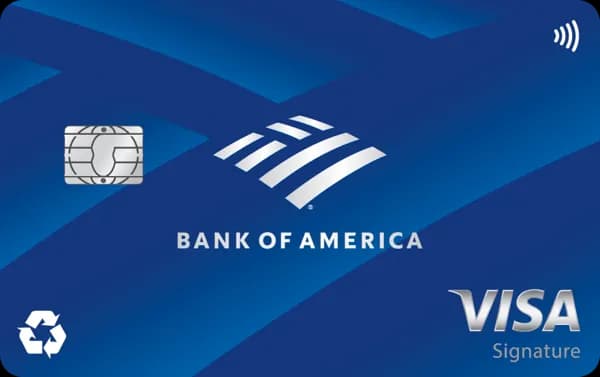
Bank of America Travel Rewards for Students
4.1
Best for: Students who travel internationally
$0
1.5x
points
$250 value
Annual Fee
$0
Rewards
1.5x
Intro Offer
$250 value
Stride Bank
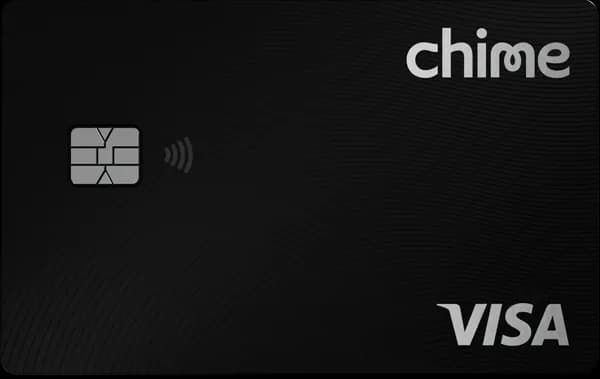
Chime Credit Builder Secured Visa
4.2
Best for: People who want a risk-free way to build credit
$0
None
cashback
N/A
Annual Fee
$0
Rewards
None
Intro Offer
N/A
Navy Federal Credit Union
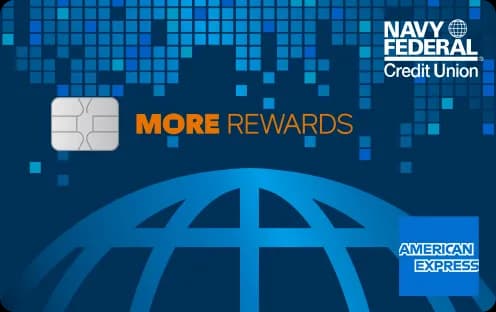
Navy Federal More Rewards American Express
4.3
Best for: Military families who want low APR and solid rewards
$0
1x–3x
points
0% APR / 12 mo
Annual Fee
$0
Rewards
1x–3x
Intro Offer
0% APR / 12 mo
Coinbase
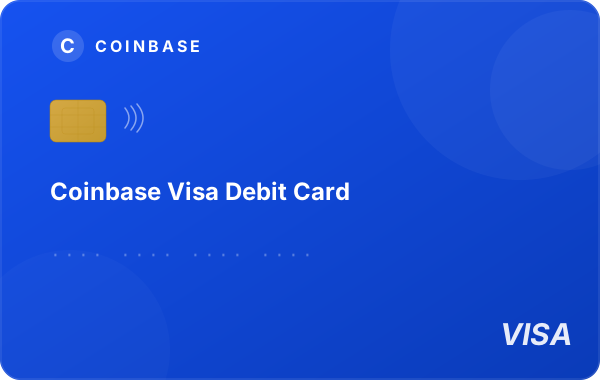
Coinbase Visa Debit Card
3.8
Best for: Crypto enthusiasts who want to earn Bitcoin/ETH on daily spending
$0
1%–4%
mixed
N/A
Annual Fee
$0
Rewards
1%–4%
Intro Offer
N/A

Capital Bank
OpenSky Secured Visa Credit Card
3.9
Best for: People rejected everywhere else who need to start building credit
$35
None
cashback
N/A
Annual Fee
$35
Rewards
None
Intro Offer
N/A
TD Bank
Target REDcard Credit Card
4
Best for: Frequent Target shoppers
$0
0%–5%
cashback
N/A
Annual Fee
$0
Rewards
0%–5%
Intro Offer
N/A
Crypto.com
Crypto.com Visa Card
3.6
Best for: Crypto holders who want lifestyle perks and high cashback rates
$0
1%–3%
mixed
N/A
Annual Fee
$0
Rewards
1%–3%
Intro Offer
N/A
Comparing the best cards
| Credit Card | Best For | Annual Fee | Rewards | Intro Offer | Rating |
|---|---|---|---|---|---|
| Discover it Secured Credit Card Discover | Building credit while earning real rewards | $0 | 1%–2% | $75 value | 4.6 |
| Discover it Cash Back Discover | Those who enjoy maximizing rotating categories | $0 | 1%–5% | $300 value | 4.7 |
| Discover it Student Cash Back Discover | Students wanting maximum first-year rewards | $0 | 1%–5% | $150 value | 4.5 |
| Capital One Quicksilver Student Cash Rewards Capital One | Students studying abroad or international students | $0 | 1.5% | $50 value | 4.4 |
| Capital One Quicksilver Secured Cash Rewards Capital One | Credit builders wanting flat-rate rewards | $0 | 1.5% | — | 4.3 |
| Capital One Platinum Secured Capital One | Building or rebuilding credit | $0 | 0% | — | 4 |
| Discover it Student Chrome Discover | College students building credit | $0 | 1%–2% | $100 value | 4.3 |
| Apple Card Goldman Sachs | iPhone users wanting a seamless, no-fee cashback card | $0 | 1%–3% | — | 4.3 |
| Chase Freedom Rise Chase | College students starting their credit journey | $0 | 1.5% | $25 value | 4.2 |
| Bank of America Travel Rewards for Students Bank of America | Students who travel internationally | $0 | 1.5x | $250 value | 4.1 |
| Chime Credit Builder Secured Visa Stride Bank | People who want a risk-free way to build credit | $0 | 0% | — | 4.2 |
| Navy Federal More Rewards American Express Navy Federal Credit Union | Military families who want low APR and solid rewards | $0 | 1x–3x | 0% / 12 mo | 4.3 |
| Coinbase Visa Debit Card Coinbase | Crypto enthusiasts who want to earn Bitcoin/ETH on daily spending | $0 | 1%–4% | — | 3.8 |
| OpenSky Secured Visa Credit Card Capital Bank | People rejected everywhere else who need to start building credit | $35 | 0% | — | 3.9 |
| Target REDcard Credit Card TD Bank | Frequent Target shoppers | $0 | 0%–5% | — | 4 |
| Crypto.com Visa Card Crypto.com | Crypto holders who want lifestyle perks and high cashback rates | $0 | 1%–3% | — | 3.6 |
Head-to-Head Comparisons
Discover it Student Chrome vs Capital One Platinum Secured
Winner: Discover it Student Chrome — Better rewards and no deposit required for students
Discover it Secured Credit Card vs Capital One Platinum Secured
Winner: Discover it Secured Credit Card — Cash back rewards plus first-year match make it far more valuable
How We Ranked These Cards
Bad-credit cards are ranked on credit-building features (30%) — does the card report to all three bureaus and offer a clear graduation path? — total cost (25%) including annual fees, monthly fees, and deposit requirements, earning potential despite low credit tier (15%), approval likelihood (20%), and consumer protections (10%).
We assess total first-year cost by modeling all fees: annual fee, monthly maintenance, processing fees, and any required security deposit. A card with a $200 deposit and $0 annual fee costs less in year one than a card with $0 deposit but $75 annual fee + $8.25/month maintenance ($174/year).
Graduation path matters: cards that automatically review for credit line increases and unsecured conversion every 6-12 months help cardholders rebuild faster and eventually qualify for better products.
What You Need to Know
Bad credit (below 580 FICO) affects roughly 16% of American adults, and the credit card options at this tier are a minefield of predatory fees disguised as "rebuilding tools." The most important thing to understand is that not all bad-credit cards are created equal — some are legitimate pathways to a 700+ score within 18-24 months, while others trap consumers in a cycle of fees that make rebuilding nearly impossible.
Secured cards from major issuers are the clear winner for credit rebuilding. The Discover it Secured requires a $200 minimum deposit, charges no annual fee, earns actual cash back (2% at gas and restaurants, 1% everywhere else), and automatically reviews for graduation after 8 months. Capital One's Platinum Secured offers similar terms with a potential deposit as low as $49. Compare this to unsecured bad-credit cards like the Total Visa, which charges a $75 annual fee plus $6.25/month maintenance fee — consuming $150/year from a $300 credit limit before you've bought anything.
The rebuilding timeline is faster than most people expect. With a secured card, making on-time payments and keeping utilization under 10%, most consumers see their score jump 50-100 points within 6 months. After 12-18 months of perfect payment history, scores in the 650-700 range are common — qualifying you for mainstream cards like the Capital One QuicksilverOne or Discover it Chrome. The key accelerators are utilization management and payment consistency, which together account for 65% of your FICO score.
Credit unions deserve serious consideration for anyone with bad credit. Many credit unions offer secured cards with lower deposit requirements and no annual fees, plus they may offer credit-builder loans that create additional positive tradelines. The Navy Federal nRewards Secured card, for example, earns 1x point per dollar with no annual fee and graduates relatively quickly. Avoid credit repair companies that charge hundreds of dollars for services you can do yourself — disputing errors on your credit report is free through each bureau's website, and no company can legally remove accurate negative information.
Expert Tips
Secured cards are the fastest path to rebuilding credit
A secured card requires a refundable deposit (typically $200-500) that becomes your credit limit. Use it for one small recurring charge, pay in full each month, and your score can improve 50-100 points in 6-12 months. The Discover it Secured is the best option because it also earns cash back.
Keep utilization below 10% for maximum score impact
Credit utilization — the percentage of your limit you use — is the second biggest factor in your credit score. On a $500 limit card, keep your balance under $50 at statement close. Pay mid-cycle if needed. Going from 50% to under 10% utilization can boost your score by 20-40 points.
Avoid cards with excessive fees — they trap you
Some bad-credit cards charge $75+ in annual fees, monthly maintenance fees, and processing fees that eat your credit limit before you even make a purchase. Stick with secured cards from major issuers like Discover, Capital One, or your local credit union. The deposit model is much fairer than the fee-heavy model.
Common Mistakes to Avoid
Choosing unsecured bad-credit cards with excessive fees
Cards like the Total Visa, First Premier Gold, and Surge Mastercard charge $75-125 in annual fees plus monthly maintenance fees on credit limits of $300. These fees consume 25-50% of your credit before you spend a dime, keeping utilization artificially high and undermining credit building. A $200 secured card from Discover or Capital One with no annual fee is vastly superior.
Applying for multiple cards after being denied
Each credit card application creates a hard inquiry that lowers your score by 5-10 points. Applying for three or four cards after a denial can drop your score 20-40 points, making approval even harder. If denied, wait 6 months, use a secured card to build positive history, then try again with a single targeted application.
Paying for credit repair services
Credit repair companies charge $50-150/month for services you can do yourself for free. You can dispute inaccurate items directly with Equifax, Experian, and TransUnion through their websites at no cost. No company can remove accurate negative information — only time (7 years for most items) eliminates legitimate marks. Save that money for a secured card deposit instead.
Frequently Asked Questions
Can I get a credit card with a 500 credit score?▾
Yes. Secured credit cards are designed for scores in the 300-600 range. Cards like the Discover it Secured and Capital One Platinum Secured approve applicants with scores as low as 500. You provide a refundable deposit as collateral, and the card reports to all three credit bureaus to help rebuild your score.
How long does it take to rebuild credit with a credit card?▾
Most people see meaningful improvement in 6-12 months of responsible card use. Key actions: make all payments on time (35% of your score), keep utilization under 10%, and avoid applying for multiple cards at once. After 12-18 months of positive history, you may qualify for unsecured cards with better rewards.
Should I get a secured card or an unsecured bad-credit card?▾
A secured card is almost always better. Unsecured bad-credit cards often come with high annual fees ($75-100+), monthly maintenance fees, and very low limits. Secured cards from Discover or Capital One have no annual fee and earn rewards. Your deposit is fully refundable when you upgrade or close the account.
More Best Card Lists
Travel Credit CardsCash Back Credit CardsCredit Cards for DiningNo Annual Fee Credit CardsRewards Credit CardsBalance Transfer CardsStudent Credit CardsCards with No Foreign Transaction FeesBusiness Credit CardsSecured Credit Cards0% APR Credit CardsCredit Cards for GasCredit Cards for GroceriesFlat-Rate Cash Back CardsPremium Credit CardsHotel Credit CardsAirline Credit CardsCredit Cards for MilitaryCredit Cards for FamiliesCredit Cards for Rent PaymentsCredit Cards for Subscriptions & StreamingLuxury Credit CardsCredit Cards for BeginnersCredit Cards for Online ShoppingCrypto & Fintech Credit CardsSmall Business Credit CardsCredit Cards for Bills & UtilitiesFirst Credit CardsHigh Credit Limit CardsCredit Cards for AmazonCredit Cards for CostcoCredit Cards for Self-EmployedCredit Card Sign-Up BonusesCredit Cards for International TravelCredit Cards for Excellent CreditCredit Cards for Good CreditCredit Cards for Fair CreditVisa Credit CardsMastercard Credit CardsAmerican Express CardsCredit Cards for U.S. NewcomersCredit Cards with Free FICO ScoreCredit Cards for Apple Pay & ContactlessMetal Credit CardsCredit Cards from Online Banks & FintechsCredit Cards with No Credit CheckInstant Approval Credit Cards