Best Credit Cards for Self-Employed (April 2026)
Top cards for freelancers, contractors, and gig workers
Self-employed workers and freelancers have unique spending patterns — coworking spaces, software subscriptions, advertising, and home office supplies. These cards reward those categories generously and don't require a traditional business entity to apply. Many accept sole proprietor applications with just your SSN.
Reviewed by CardCompare Editorial Board
|CFP-reviewed|Updated April 202615 cards foundUpdated March 2026
Credit Card
Annual Fee
Rewards Rate
Intro Offer
BEST CREDIT CARDS FOR SELF-EMPLOYED
Chase
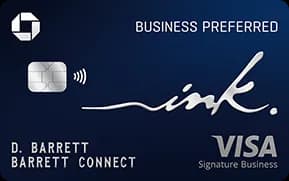
Chase Ink Business Preferred
4.7
Best for: Growing businesses with travel and advertising expenses
$95
1x–3x
points
$1,125 value
Annual Fee
$95
Rewards
1x–3x
Intro Offer
$1,125 value
Editor's Pick9/10 score
Chase
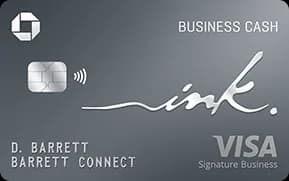
Chase Ink Business Cash
4.6
Best for: Small businesses with high office supply & telecom spend
$0
1%–5%
cashback
$750 value
Annual Fee
$0
Rewards
1%–5%
Intro Offer
$750 value
Chase
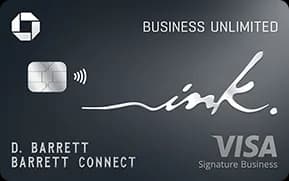
Chase Ink Business Unlimited
4.5
Best for: Businesses wanting simple flat-rate rewards
$0
1.5%
cashback
$750 value
Annual Fee
$0
Rewards
1.5%
Intro Offer
$750 value
American Express
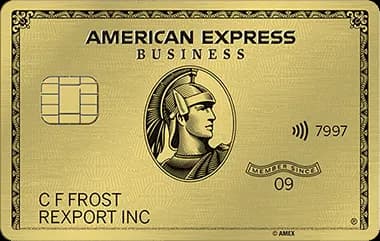
American Express Business Gold
4.4
Best for: Businesses with variable top spending categories
$295
1x–4x
points
$1,000 value
Annual Fee
$295
Rewards
1x–4x
Intro Offer
$1,000 value
Not sure which card is right for you?
Answer 5 quick questions — we'll match you with your best card.
American Express
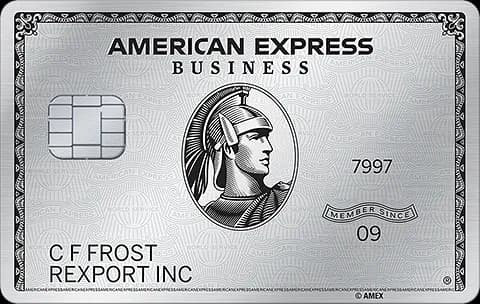
American Express Business Platinum
4.3
Best for: Executives with heavy business travel and large purchases
$695
1x–5x
points
$1,500 value
Annual Fee
$695
Rewards
1x–5x
Intro Offer
$1,500 value
Capital One
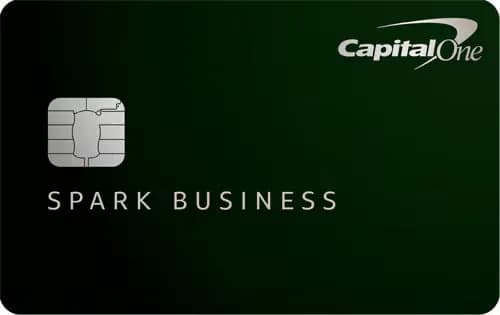
Capital One Spark Cash Plus
4.5
Best for: High-spending businesses wanting simple flat-rate rewards
$150
2%–5%
cashback
$1,200 value
Annual Fee
$150
Rewards
2%–5%
Intro Offer
$1,200 value
American Express
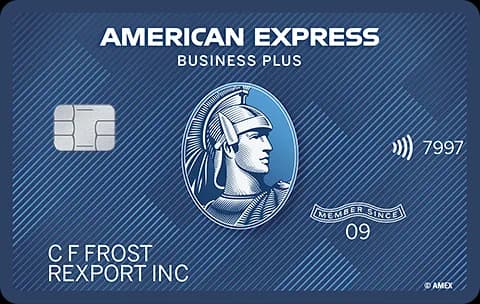
American Express Blue Business Plus
4.5
Best for: Small business owners who want no-fee Membership Rewards
$0
1x–2x
points
$150 value
Annual Fee
$0
Rewards
1x–2x
Intro Offer
$150 value
Brex
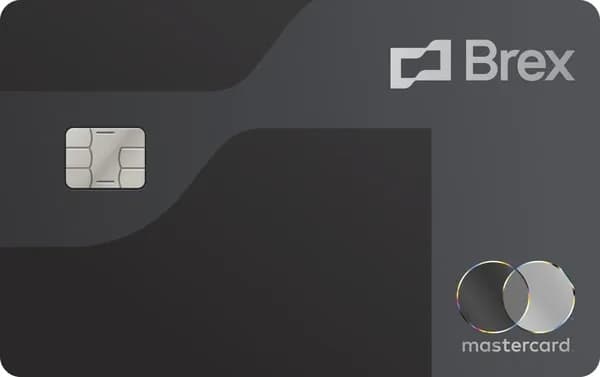
Brex Card
4.3
Best for: Funded startups and tech companies
$0
1x–8x
points
$1,100 value
Annual Fee
$0
Rewards
1x–8x
Intro Offer
$1,100 value
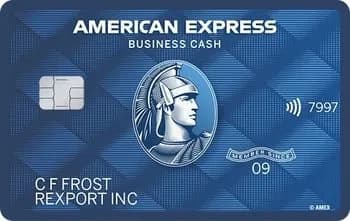
American Express
American Express Blue Business Cash Card
4.4
Best for: Business owners who prefer straightforward cash back
$0
1%–2%
cashback
$250 value
Annual Fee
$0
Rewards
1%–2%
Intro Offer
$250 value
Chase
Ink Business Premier Credit Card
4.2
Best for: Businesses with high per-transaction spending
$195
2%–2.5%
cashback
$1,000 value
Annual Fee
$195
Rewards
2%–2.5%
Intro Offer
$1,000 value
Capital One
Capital One Spark Cash Plus
4.3
Best for: High-spending businesses that want maximum flat-rate cashback
$150
2%
cashback
$1,200 value
Annual Fee
$150
Rewards
2%
Intro Offer
$1,200 value
Capital One
Capital One Spark Miles for Business
4.3
Best for: Business travelers wanting simple flat miles
$95
Waived 1st yr
2x–5x
miles
$500 value
Annual Fee
$95
Rewards
2x–5x
Intro Offer
$500 value
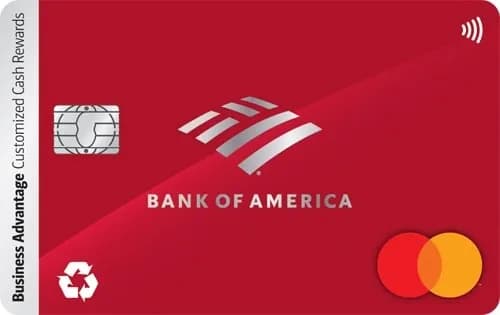
Bank of America
Bank of America Business Advantage Cash Rewards
4.2
Best for: Small businesses banking with Bank of America
$0
1%–3%
cashback
$300 value
Annual Fee
$0
Rewards
1%–3%
Intro Offer
$300 value
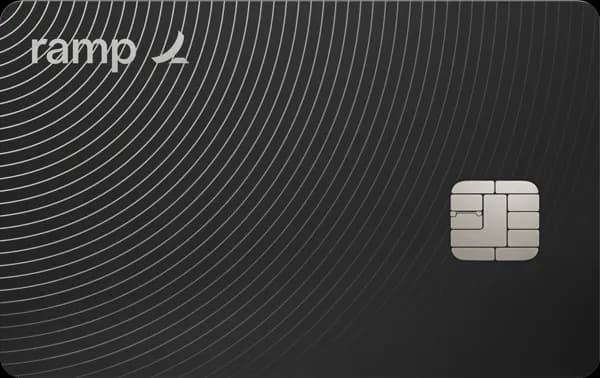
Ramp
Ramp Corporate Card
4.4
Best for: Growing companies that want expense management + cashback
$0
1.5%
cashback
N/A
Annual Fee
$0
Rewards
1.5%
Intro Offer
N/A
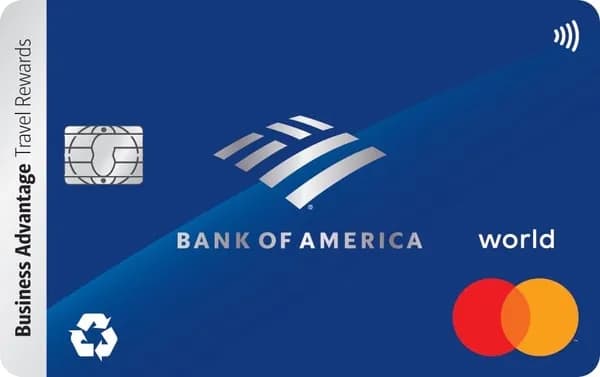
Bank of America
Business Advantage Unlimited Cash Rewards
4.2
Best for: Bank of America business customers who want simple cashback
$0
1.5%
cashback
$300 value
Annual Fee
$0
Rewards
1.5%
Intro Offer
$300 value
Comparing the best cards
| Credit Card | Best For | Annual Fee | Rewards | Intro Offer | Rating |
|---|---|---|---|---|---|
| Chase Ink Business Preferred Chase | Growing businesses with travel and advertising expenses | $95 | 1x–3x | $1,125 value | 4.7 |
| Chase Ink Business Cash Chase | Small businesses with high office supply & telecom spend | $0 | 1%–5% | $750 value | 4.6 |
| Chase Ink Business Unlimited Chase | Businesses wanting simple flat-rate rewards | $0 | 1.5% | $750 value | 4.5 |
| American Express Business Gold American Express | Businesses with variable top spending categories | $295 | 1x–4x | $1,000 value | 4.4 |
| American Express Business Platinum American Express | Executives with heavy business travel and large purchases | $695 | 1x–5x | $1,500 value | 4.3 |
| Capital One Spark Cash Plus Capital One | High-spending businesses wanting simple flat-rate rewards | $150 | 2%–5% | $1,200 value | 4.5 |
| American Express Blue Business Plus American Express | Small business owners who want no-fee Membership Rewards | $0 | 1x–2x | $150 value | 4.5 |
| Brex Card Brex | Funded startups and tech companies | $0 | 1x–8x | $1,100 value | 4.3 |
| American Express Blue Business Cash Card American Express | Business owners who prefer straightforward cash back | $0 | 1%–2% | $250 value | 4.4 |
| Ink Business Premier Credit Card Chase | Businesses with high per-transaction spending | $195 | 2%–2.5% | $1,000 value | 4.2 |
| Capital One Spark Cash Plus Capital One | High-spending businesses that want maximum flat-rate cashback | $150 | 2% | $1,200 value | 4.3 |
| Capital One Spark Miles for Business Capital One | Business travelers wanting simple flat miles | $95(waived yr 1) | 2x–5x | $500 value | 4.3 |
| Bank of America Business Advantage Cash Rewards Bank of America | Small businesses banking with Bank of America | $0 | 1%–3% | $300 value | 4.2 |
| Ramp Corporate Card Ramp | Growing companies that want expense management + cashback | $0 | 1.5% | — | 4.4 |
| Business Advantage Unlimited Cash Rewards Bank of America | Bank of America business customers who want simple cashback | $0 | 1.5% | $300 value | 4.2 |
Head-to-Head Comparisons
Chase Ink Business Preferred vs American Express Business Gold
Winner: Chase Ink Business Preferred — Much lower annual fee with strong 3x categories
American Express Blue Business Plus vs Chase Ink Business Unlimited
Winner: American Express Blue Business Plus — Higher 2x earning rate for most small business spending levels
Chase Ink Business Preferred vs Chase Ink Business Cash
Winner: Chase Ink Business Preferred — Transfer partners and higher cap make it more valuable for most businesses
Brex Card vs Ramp Corporate Card
How We Ranked These Cards
Our self-employed card rankings evaluate cards suited for freelancers, independent contractors, sole proprietors, and gig workers and focus on business expense earning rates — office supplies, advertising, internet, software (25%), tax-friendly features like automatic expense categorization and receipt capture (20%), sign-up bonus value (15%), credit line adequacy for variable income (15%), personal liability separation (15%), and annual fee relative to self-employment benefits (10%).
We model a self-employed individual earning $75,000/year with monthly spending of $500 on advertising, $300 on software/subscriptions, $200 on office supplies, $150 on internet/phone, $100 on business travel, and $1,750 on personal expenses. The key differentiator is whether a card offers business-specific categories that align with freelancer spending patterns, and whether it effectively separates business from personal transactions for tax purposes.
What You Need to Know
Self-employed workers represent over 16 million Americans (10% of the workforce according to the Bureau of Labor Statistics), yet most credit card guides focus on salaried employees with predictable income. The self-employed face unique challenges: irregular income makes spending commitments risky, business expenses need clean categorization for tax deductions, and the line between personal and business spending blurs constantly.
Business cards for sole proprietors don't require an LLC or formal business entity. You can apply using your SSN, legal name as business name, and "sole proprietor" as business type. The Chase Ink Business Preferred earns 3x on advertising, internet, phone, and shipping (up to $150,000/year) — categories that align perfectly with freelancer spending. The Amex Blue Business Plus earns 2x on everything up to $50,000/year with no annual fee. Both report to business credit bureaus (not personal), protecting your personal credit utilization.
Tax categorization is an underrated benefit of business credit cards. Year-end spending summaries automatically categorize expenses by merchant type, making Schedule C preparation significantly easier. The Amex Business app and Chase Ink dashboard both export categorized spending reports compatible with QuickBooks, FreshBooks, and TurboTax. For a freelancer with 200+ business transactions per year, this automation saves hours of bookkeeping and reduces audit risk.
Income variability is the self-employed cardholder's biggest challenge. A $10,000 credit limit works fine in a $12,000 revenue month but constrains business spending in a $4,000 month. Business charge cards like the Amex Business Gold (no preset spending limit) adapt to variable spending patterns. The card's limit flexes based on your payment history and overall financial profile, accommodating seasonal freelance income fluctuations.
Separating business from personal credit is both a tax strategy and a liability protection. Business credit cards keep IRS-deductible expenses on a dedicated statement, simplifying audits. If your business is ever sued, having separate credit accounts demonstrates that personal and business finances are distinct — important for maintaining LLC liability protection. Even sole proprietors benefit from this separation during tax filing.
Expert Tips
Apply for business cards as a sole proprietor using your SSN
You don't need an LLC, EIN, or formal business to get a business credit card. Apply using your SSN, legal name as business name, and 'sole proprietor' as business type. Freelance income, Etsy sales, Uber driving, and consulting all qualify. Business cards often have better rewards on business categories than personal cards.
Use the Chase Ink trifecta for maximum freelancer rewards
The Ink Business Preferred (3x on advertising, internet, shipping up to $150K), Ink Business Cash (5% on office supplies and internet up to $25K), and Ink Business Unlimited (1.5% on everything) cover all freelancer spending. Points pool in Ultimate Rewards and transfer to travel partners. Total first-year value can exceed $3,000.
Export categorized spending reports for easier tax filing
Both Chase Ink and Amex Business cards export year-end spending reports categorized by merchant type. Download these in CSV or QBO format and import directly into QuickBooks, FreshBooks, or TurboTax. This automates Schedule C expense categorization and provides documentation if the IRS audits your deductions.
Common Mistakes to Avoid
Using personal credit cards for business expenses
Mixing business and personal expenses on one card creates a tax preparation nightmare and weakens liability protection if you have an LLC. Business credit cards automatically categorize spending by type, export to accounting software, and keep a clean paper trail for IRS Schedule C deductions. Apply as a sole proprietor — no LLC required.
Not reporting business income accurately on card applications
Card issuers verify income for business applications. Under-reporting income to seem modest can result in a lower credit line — problematic when you need to charge a $5,000 advertising bill. Report your full gross revenue (business cards ask for business revenue, not profit) to qualify for limits that match your actual spending needs.
Ignoring business card quarterly category caps
The Chase Ink Business Cash earns 5% on office supplies and internet/phone — but only up to $25,000/year combined. If you spend $3,000/month on Google Ads (which sometimes codes as 'advertising' not 'internet'), you may hit the cap by September. Track your category spending to know when your bonus rate expires and switch to a flat-rate card.
Frequently Asked Questions
Can I get a business credit card as a freelancer?▾
Absolutely. You don't need a formal business entity. Apply as a sole proprietor using your Social Security Number, your legal name as the business name, and 'sole proprietor' as the business type. Any self-employment income qualifies: freelancing, consulting, gig work, online sales, or side hustles. Most major issuers accept sole proprietor applications.
What is the best credit card for self-employed people?▾
The Chase Ink Business Preferred ($95/yr) is the top pick: 3x on advertising, internet, phone, and shipping up to $150,000/year. For no-annual-fee, the Amex Blue Business Plus earns 2x on everything up to $50,000/year. Pair both for comprehensive coverage of freelancer spending categories.
Do business credit cards affect personal credit?▾
It depends on the issuer. Chase, Capital One, and Discover report business card activity to personal credit bureaus. American Express only reports to personal bureaus if you miss payments. Business cards from any issuer require a personal guarantee, meaning you're personally liable for the balance regardless of business structure.
Should self-employed people separate business and personal spending?▾
Yes, strongly. Separation simplifies tax filing (Schedule C deductions are clear on a dedicated statement), protects LLC liability shields, and provides clean documentation for IRS audits. A business card automatically categorizes expenses by type and exports to accounting software. The administrative time savings alone justify maintaining separate cards.
How do I report income on a business card application?▾
Business card applications ask for annual business revenue (gross income, not profit) and personal income. Report your total freelance/self-employment revenue as business income and any other personal income (W-2 jobs, investments) separately. Higher reported revenue leads to higher credit limits. Be accurate — issuers may request tax returns for verification.
Sources
More Best Card Lists
Travel Credit CardsCash Back Credit CardsCredit Cards for DiningNo Annual Fee Credit CardsRewards Credit CardsBalance Transfer CardsStudent Credit CardsCards with No Foreign Transaction FeesBusiness Credit CardsSecured Credit CardsCredit Cards for Bad Credit0% APR Credit CardsCredit Cards for GasCredit Cards for GroceriesFlat-Rate Cash Back CardsPremium Credit CardsHotel Credit CardsAirline Credit CardsCredit Cards for MilitaryCredit Cards for FamiliesCredit Cards for Rent PaymentsCredit Cards for Subscriptions & StreamingLuxury Credit CardsCredit Cards for BeginnersCredit Cards for Online ShoppingCrypto & Fintech Credit CardsSmall Business Credit CardsCredit Cards for Bills & UtilitiesFirst Credit CardsHigh Credit Limit CardsCredit Cards for AmazonCredit Cards for CostcoCredit Card Sign-Up BonusesCredit Cards for International TravelCredit Cards for Excellent CreditCredit Cards for Good CreditCredit Cards for Fair CreditVisa Credit CardsMastercard Credit CardsAmerican Express CardsCredit Cards for U.S. NewcomersCredit Cards with Free FICO ScoreCredit Cards for Apple Pay & ContactlessMetal Credit CardsCredit Cards from Online Banks & FintechsCredit Cards with No Credit CheckInstant Approval Credit Cards