Best Credit Cards for Bills & Utilities (April 2026)
Earn rewards on recurring bills, phone, and internet
Your monthly bills — phone, internet, insurance, utilities — are unavoidable expenses. The right card can earn 3-5% back on these categories, turning $500+/month in bills into meaningful annual rewards. Some cards also include cell phone protection worth $600-$800/year.
Reviewed by CardCompare Editorial Board
|CFP-reviewed|Updated April 20269 cards foundUpdated March 2026
Credit Card
Annual Fee
Rewards Rate
Intro Offer
BEST CREDIT CARDS FOR BILLS & UTILITIES
Chase
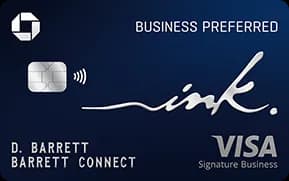
Chase Ink Business Preferred
4.7
Best for: Growing businesses with travel and advertising expenses
$95
1x–3x
points
$1,125 value
Annual Fee
$95
Rewards
1x–3x
Intro Offer
$1,125 value
Editor's Pick9/10 score
Chase
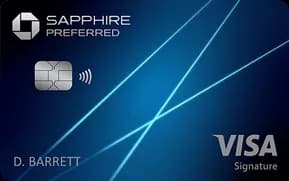
Chase Sapphire Preferred
4.7
Best for: Frequent travelers who dine out often
$95
1x–5x
points
$750 value
Annual Fee
$95
Rewards
1x–5x
Intro Offer
$750 value
Editor's Pick9/10 score
Chase
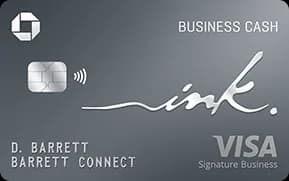
Chase Ink Business Cash
4.6
Best for: Small businesses with high office supply & telecom spend
$0
1%–5%
cashback
$750 value
Annual Fee
$0
Rewards
1%–5%
Intro Offer
$750 value
Capital One
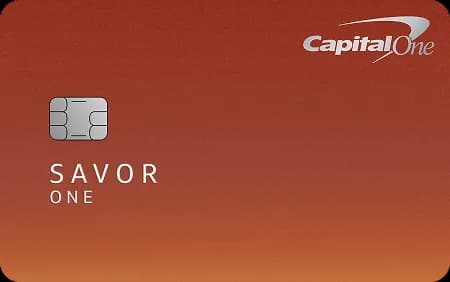
Capital One SavorOne
4.5
Best for: Dining and entertainment enthusiasts
$0
1%–3%
cashback
$200 value
Annual Fee
$0
Rewards
1%–3%
Intro Offer
$200 value
Not sure which card is right for you?
Answer 5 quick questions — we'll match you with your best card.
American Express
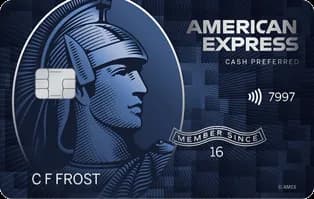
Blue Cash Preferred from Amex
4.5
Best for: Families spending heavily on groceries
$95
Waived 1st yr
1%–6%
cashback
$250 value
Annual Fee
$95
Rewards
1%–6%
Intro Offer
$250 value
U.S. Bank
U.S. Bank Altitude Go Visa Signature
4.3
Best for: Foodies who want high dining rewards without an annual fee
$0
1x–4x
points
$250 value
Annual Fee
$0
Rewards
1x–4x
Intro Offer
$250 value
U.S. Bank
U.S. Bank Altitude Connect Visa Signature
4.2
Best for: Travelers who value cell phone protection and streaming credits
$95
Waived 1st yr
1x–5x
points
$500 value
Annual Fee
$95
Rewards
1x–5x
Intro Offer
$500 value
Wells Fargo
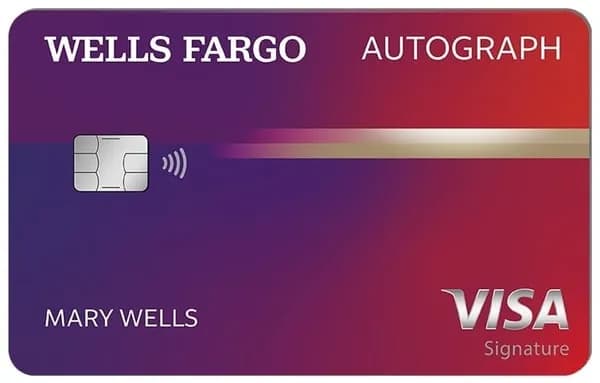
Wells Fargo Autograph Card
4.4
Best for: People who spend across multiple categories and want no annual fee
$0
1x–3x
points
$200 value
Annual Fee
$0
Rewards
1x–3x
Intro Offer
$200 value

Chase
United Quest Card
4.2
Best for: United flyers who book award flights and check bags
$250
1x–3x
miles
$600 value
Annual Fee
$250
Rewards
1x–3x
Intro Offer
$600 value
Comparing the best cards
| Credit Card | Best For | Annual Fee | Rewards | Intro Offer | Rating |
|---|---|---|---|---|---|
| Chase Ink Business Preferred Chase | Growing businesses with travel and advertising expenses | $95 | 1x–3x | $1,125 value | 4.7 |
| Chase Sapphire Preferred Chase | Frequent travelers who dine out often | $95 | 1x–5x | $750 value | 4.7 |
| Chase Ink Business Cash Chase | Small businesses with high office supply & telecom spend | $0 | 1%–5% | $750 value | 4.6 |
| Capital One SavorOne Capital One | Dining and entertainment enthusiasts | $0 | 1%–3% | $200 value | 4.5 |
| Blue Cash Preferred from Amex American Express | Families spending heavily on groceries | $95(waived yr 1) | 1%–6% | $250 value | 4.5 |
| U.S. Bank Altitude Go Visa Signature U.S. Bank | Foodies who want high dining rewards without an annual fee | $0 | 1x–4x | $250 value | 4.3 |
| U.S. Bank Altitude Connect Visa Signature U.S. Bank | Travelers who value cell phone protection and streaming credits | $95(waived yr 1) | 1x–5x | $500 value | 4.2 |
| Wells Fargo Autograph Card Wells Fargo | People who spend across multiple categories and want no annual fee | $0 | 1x–3x | $200 value | 4.4 |
| United Quest Card Chase | United flyers who book award flights and check bags | $250 | 1x–3x | $600 value | 4.2 |
Head-to-Head Comparisons
Chase Ink Business Preferred vs Chase Ink Business Cash
Winner: Chase Ink Business Preferred — Transfer partners and higher cap make it more valuable for most businesses
U.S. Bank Altitude Go Visa Signature vs Capital One SavorOne
Winner: U.S. Bank Altitude Go Visa Signature — Uncapped 4x on dining is the highest no-fee dining rate available
How We Ranked These Cards
Our bills and utilities card rankings evaluate earning rate on recurring bill payments including utilities, internet, phone, and insurance (30%), earning rate on streaming and subscription services (15%), autopay reliability and billing protections (15%), sign-up bonus achievability via bill payments (15%), cell phone protection when paying your bill with the card (15%), and annual fee justification through recurring savings (10%).
We model a household paying $150/month for utilities, $120 for internet/phone, $80 for streaming subscriptions, $200 for insurance premiums, and $100 for other recurring bills ($650/month total). The key differentiator is whether a card's bonus categories explicitly include utilities and telecom — many "online shopping" or "streaming" categories exclude standard utility payments.
What You Need to Know
Paying bills with the right credit card is one of the easiest ways to earn hundreds in annual rewards without changing your spending habits. Most households spend $6,000-$10,000 per year on recurring bills — utilities, internet, phone, insurance, and streaming — yet many people pay these with a debit card or bank transfer, leaving significant rewards on the table.
Cell phone protection is the single most valuable perk for bill-paying cards. Cards like the Wells Fargo Active Cash and Ink Business Preferred offer $600-$1,000 in cell phone protection (covering theft and damage, minus a $25-$50 deductible) simply for paying your monthly phone bill with the card. With flagship phones costing $1,000+, this benefit alone can save you the cost of carrier insurance ($10-$17/month) and Apple Care+.
Category coding is the critical detail that most consumers overlook. Not all utilities code as "utilities" on every card. Electric and gas companies typically code correctly, but water bills may code as "government services," and internet providers sometimes code as "telecom" rather than "utilities." Before committing to a card for bill payments, make a small payment and verify the category coding on your statement.
The Citi Custom Cash deserves special mention for bill payers: its 5% back on your top spending category (up to $500/month) can automatically apply to utilities if that's your highest category. For a household spending $500/month on bills and utilities, that's $300/year in cashback with no annual fee and no need to track rotating categories.
Insurance premiums are an often-overlooked opportunity. Many auto, home, and renter's insurance companies accept credit card payments without surcharges. At $200/month for bundled insurance, a 2% flat-rate card earns $48/year, while a 5% category card earns $120. Check with your insurer — some charge a 2-3% convenience fee that negates the rewards. Switch to a provider that accepts cards fee-free if possible.
Expert Tips
Consolidate all recurring bills on one high-earning card
Put utilities, phone, internet, streaming, and insurance on a single card that earns 3-5% on these categories. The Citi Custom Cash earns 5% on your top category (up to $500/month), which can automatically be your bills. This approach earns $300+ annually and simplifies tracking with one statement.
Use bill payments to meet sign-up bonus minimum spend easily
New card sign-up bonuses often require $3,000-$5,000 in spending within 3 months. Shifting recurring bills (utilities, insurance, phone, subscriptions) to the new card can account for $1,500-$2,000/month of that requirement without any extra spending. This makes earning $200-$750 sign-up bonuses almost effortless.
Get cell phone protection by paying your phone bill with the right card
Cards like Wells Fargo Active Cash and Chase Ink Business Preferred offer $600-$1,000 in cell phone theft/damage protection ($25-$50 deductible) when you pay your monthly carrier bill with the card. This saves $120-$200/year versus carrier insurance and covers all lines on your account.
Common Mistakes to Avoid
Not verifying how your utility company codes credit card payments
Electric, gas, water, and internet bills may code differently on credit card statements. Water bills often code as 'government services,' and streaming services may code as 'entertainment' rather than 'utilities.' Make a small test payment and check your statement's category before committing to a card for all bill payments.
Paying convenience fees that exceed your rewards
Some utility companies and government agencies charge 2-3% convenience fees for credit card payments. If your card earns only 1-2% back, you're losing money on every transaction. Always check if the fee exceeds your earning rate. Many companies offer fee-free ACH or bill-pay-through-bank options as alternatives.
Missing cell phone protection by paying through autopay apps instead of directly
Cell phone protection requires paying the carrier bill directly with the eligible card. Paying through third-party apps, employer reimbursement programs, or splitting the bill with a different payment method may void the protection. Ensure the full monthly bill charges directly to your qualifying credit card.
Frequently Asked Questions
Can I pay utility bills with a credit card?▾
Most utility companies accept credit card payments, either directly through their website or through third-party bill-pay services. Some charge a 2-3% convenience fee. Check if your utility offers fee-free credit card payment; if so, you can earn rewards on every monthly bill. If there's a fee, compare it against your card's earning rate.
What credit card gives the most cash back on bills?▾
The Citi Custom Cash earns 5% on your top spending category each month (up to $500), which can automatically be utilities if that's your highest category. The US Bank Cash+ lets you choose utilities as a 5% category. For flat-rate options, the Wells Fargo Active Cash earns 2% on everything plus cell phone protection.
Is it smart to put all bills on a credit card?▾
Yes, as long as you pay the full statement balance monthly. Putting bills on a credit card earns rewards on spending you'd do anyway, builds credit history through consistent on-time payments, and provides purchase protections. Avoid this if you carry a balance — interest charges will far exceed any rewards earned.
Do credit cards offer cell phone insurance?▾
Several credit cards include cell phone protection when you pay your monthly carrier bill with the card. Wells Fargo Active Cash covers up to $600 per claim, Chase Ink Business Preferred covers $1,000 per claim, and US Bank Visa Platinum covers $600. Deductibles range from $25-$50 per claim, far less than carrier insurance.
Can I pay rent with a credit card?▾
Technically yes, through services like Plastiq or RentTrack, but they charge 2.5-2.85% processing fees. This makes it unprofitable unless you're earning 3%+ back or meeting a sign-up bonus minimum spend. Some landlords accept direct credit card payments through property management portals, sometimes fee-free. Always calculate net value.
Sources
More Best Card Lists
Travel Credit CardsCash Back Credit CardsCredit Cards for DiningNo Annual Fee Credit CardsRewards Credit CardsBalance Transfer CardsStudent Credit CardsCards with No Foreign Transaction FeesBusiness Credit CardsSecured Credit CardsCredit Cards for Bad Credit0% APR Credit CardsCredit Cards for GasCredit Cards for GroceriesFlat-Rate Cash Back CardsPremium Credit CardsHotel Credit CardsAirline Credit CardsCredit Cards for MilitaryCredit Cards for FamiliesCredit Cards for Rent PaymentsCredit Cards for Subscriptions & StreamingLuxury Credit CardsCredit Cards for BeginnersCredit Cards for Online ShoppingCrypto & Fintech Credit CardsSmall Business Credit CardsFirst Credit CardsHigh Credit Limit CardsCredit Cards for AmazonCredit Cards for CostcoCredit Cards for Self-EmployedCredit Card Sign-Up BonusesCredit Cards for International TravelCredit Cards for Excellent CreditCredit Cards for Good CreditCredit Cards for Fair CreditVisa Credit CardsMastercard Credit CardsAmerican Express CardsCredit Cards for U.S. NewcomersCredit Cards with Free FICO ScoreCredit Cards for Apple Pay & ContactlessMetal Credit CardsCredit Cards from Online Banks & FintechsCredit Cards with No Credit CheckInstant Approval Credit Cards