Best Credit Cards for Fair Credit (April 2026)
Rewards cards accessible with 580-669 scores
Fair credit (580-669) doesn't mean you're stuck with no-rewards cards. Several issuers now offer cash back and even travel rewards to this tier. The best fair-credit cards report to all three bureaus, charge reasonable fees, and offer a clear upgrade path as your score improves.
Reviewed by CardCompare Editorial Board
|CFP-reviewed|Updated April 202616 cards foundUpdated April 2026
Credit Card
Annual Fee
Rewards Rate
Intro Offer
BEST CREDIT CARDS FOR FAIR CREDIT
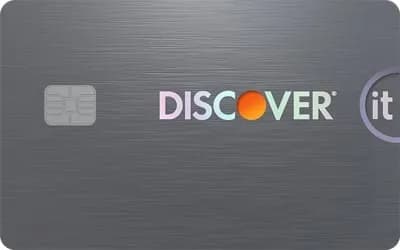
Discover
Discover it Secured Credit Card
4.6
Best for: Building credit while earning real rewards
$0
1%–2%
cashback
$75 value
Annual Fee
$0
Rewards
1%–2%
Intro Offer
$75 value
Editor's Pick9/10 score

Discover
Discover it Cash Back
4.7
Best for: Those who enjoy maximizing rotating categories
$0
1%–5%
cashback
$300 value
Annual Fee
$0
Rewards
1%–5%
Intro Offer
$300 value
Editor's Pick9/10 score

Discover
Discover it Student Cash Back
4.5
Best for: Students wanting maximum first-year rewards
$0
1%–5%
cashback
$150 value
Annual Fee
$0
Rewards
1%–5%
Intro Offer
$150 value
Capital One
Capital One Quicksilver Student Cash Rewards
4.4
Best for: Students studying abroad or international students
$0
1.5%
cashback
$50 value
Annual Fee
$0
Rewards
1.5%
Intro Offer
$50 value
Not sure which card is right for you?
Answer 5 quick questions — we'll match you with your best card.
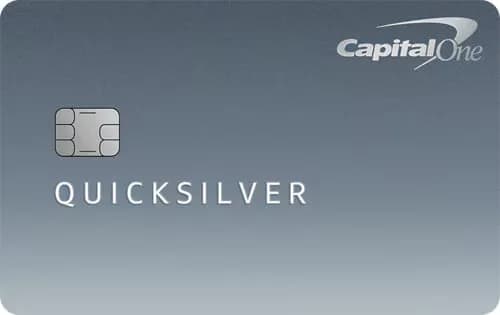
Capital One
Capital One Quicksilver Secured Cash Rewards
4.3
Best for: Credit builders wanting flat-rate rewards
$0
1.5%
cashback
N/A
Annual Fee
$0
Rewards
1.5%
Intro Offer
N/A
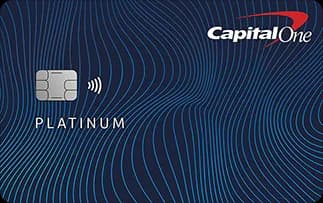
Capital One
Capital One Platinum Secured
4
Best for: Building or rebuilding credit
$0
None
cashback
N/A
Annual Fee
$0
Rewards
None
Intro Offer
N/A
Discover
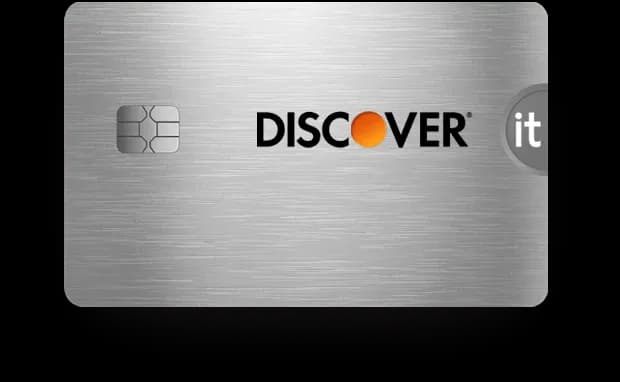
Discover it Student Chrome
4.3
Best for: College students building credit
$0
1%–2%
cashback
$100 value
Annual Fee
$0
Rewards
1%–2%
Intro Offer
$100 value

Goldman Sachs
Apple Card
4.3
Best for: iPhone users wanting a seamless, no-fee cashback card
$0
1%–3%
cashback
N/A
Annual Fee
$0
Rewards
1%–3%
Intro Offer
N/A
Chase
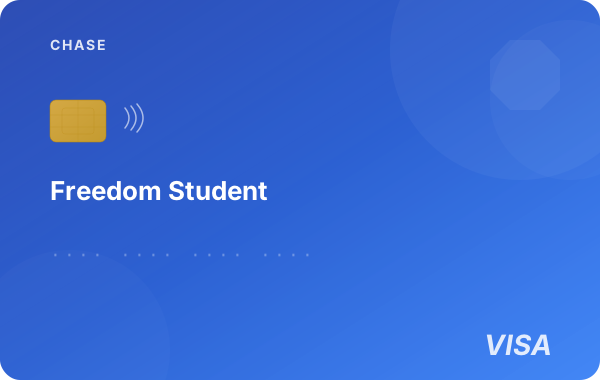
Chase Freedom Rise
4.2
Best for: College students starting their credit journey
$0
1.5%
cashback
$25 value
Annual Fee
$0
Rewards
1.5%
Intro Offer
$25 value
Bank of America
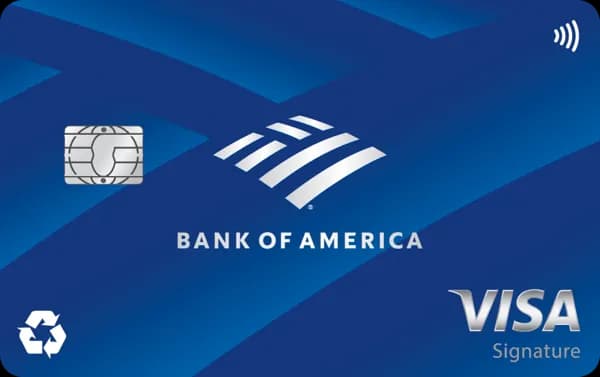
Bank of America Travel Rewards for Students
4.1
Best for: Students who travel internationally
$0
1.5x
points
$250 value
Annual Fee
$0
Rewards
1.5x
Intro Offer
$250 value
Stride Bank
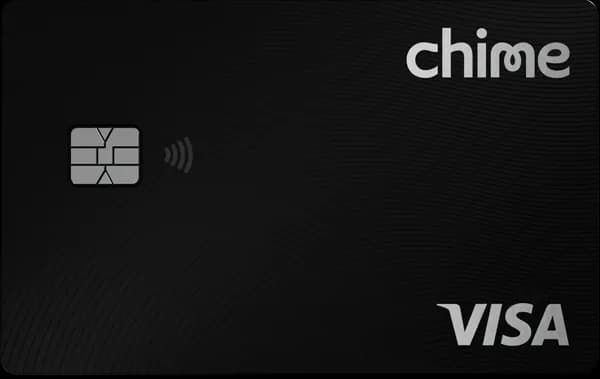
Chime Credit Builder Secured Visa
4.2
Best for: People who want a risk-free way to build credit
$0
None
cashback
N/A
Annual Fee
$0
Rewards
None
Intro Offer
N/A
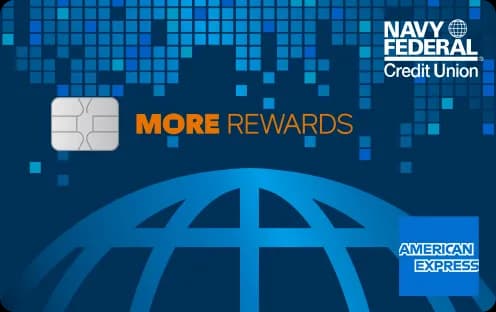
Navy Federal Credit Union
Navy Federal More Rewards American Express
4.3
Best for: Military families who want low APR and solid rewards
$0
1x–3x
points
0% APR / 12 mo
Annual Fee
$0
Rewards
1x–3x
Intro Offer
0% APR / 12 mo
Coinbase
Coinbase Visa Debit Card
3.8
Best for: Crypto enthusiasts who want to earn Bitcoin/ETH on daily spending
$0
1%–4%
mixed
N/A
Annual Fee
$0
Rewards
1%–4%
Intro Offer
N/A

Capital Bank
OpenSky Secured Visa Credit Card
3.9
Best for: People rejected everywhere else who need to start building credit
$35
None
cashback
N/A
Annual Fee
$35
Rewards
None
Intro Offer
N/A
TD Bank
Target REDcard Credit Card
4
Best for: Frequent Target shoppers
$0
0%–5%
cashback
N/A
Annual Fee
$0
Rewards
0%–5%
Intro Offer
N/A
Crypto.com
Crypto.com Visa Card
3.6
Best for: Crypto holders who want lifestyle perks and high cashback rates
$0
1%–3%
mixed
N/A
Annual Fee
$0
Rewards
1%–3%
Intro Offer
N/A
Comparing the best cards
| Credit Card | Best For | Annual Fee | Rewards | Intro Offer | Rating |
|---|---|---|---|---|---|
| Discover it Secured Credit Card Discover | Building credit while earning real rewards | $0 | 1%–2% | $75 value | 4.6 |
| Discover it Cash Back Discover | Those who enjoy maximizing rotating categories | $0 | 1%–5% | $300 value | 4.7 |
| Discover it Student Cash Back Discover | Students wanting maximum first-year rewards | $0 | 1%–5% | $150 value | 4.5 |
| Capital One Quicksilver Student Cash Rewards Capital One | Students studying abroad or international students | $0 | 1.5% | $50 value | 4.4 |
| Capital One Quicksilver Secured Cash Rewards Capital One | Credit builders wanting flat-rate rewards | $0 | 1.5% | — | 4.3 |
| Capital One Platinum Secured Capital One | Building or rebuilding credit | $0 | 0% | — | 4 |
| Discover it Student Chrome Discover | College students building credit | $0 | 1%–2% | $100 value | 4.3 |
| Apple Card Goldman Sachs | iPhone users wanting a seamless, no-fee cashback card | $0 | 1%–3% | — | 4.3 |
| Chase Freedom Rise Chase | College students starting their credit journey | $0 | 1.5% | $25 value | 4.2 |
| Bank of America Travel Rewards for Students Bank of America | Students who travel internationally | $0 | 1.5x | $250 value | 4.1 |
| Chime Credit Builder Secured Visa Stride Bank | People who want a risk-free way to build credit | $0 | 0% | — | 4.2 |
| Navy Federal More Rewards American Express Navy Federal Credit Union | Military families who want low APR and solid rewards | $0 | 1x–3x | 0% / 12 mo | 4.3 |
| Coinbase Visa Debit Card Coinbase | Crypto enthusiasts who want to earn Bitcoin/ETH on daily spending | $0 | 1%–4% | — | 3.8 |
| OpenSky Secured Visa Credit Card Capital Bank | People rejected everywhere else who need to start building credit | $35 | 0% | — | 3.9 |
| Target REDcard Credit Card TD Bank | Frequent Target shoppers | $0 | 0%–5% | — | 4 |
| Crypto.com Visa Card Crypto.com | Crypto holders who want lifestyle perks and high cashback rates | $0 | 1%–3% | — | 3.6 |
Head-to-Head Comparisons
Discover it Student Chrome vs Capital One Platinum Secured
Winner: Discover it Student Chrome — Better rewards and no deposit required for students
Discover it Secured Credit Card vs Capital One Platinum Secured
Winner: Discover it Secured Credit Card — Cash back rewards plus first-year match make it far more valuable
How We Ranked These Cards
Our fair credit card rankings evaluate cards available to consumers with FICO scores of 580-669 and prioritize approval likelihood (25%), credit-building features like reporting to all three bureaus (20%), fees and APR transparency (20%), rewards earning potential despite credit tier (15%), path to graduation to a better card (10%), and deposit requirements for secured options (10%).
We model a fair-credit consumer rebuilding their score: spending $1,500/month, carrying occasional balances, and seeking cards that will help improve their credit over 12-24 months. We penalize cards with hidden fees, excessive APRs above 29.99%, and those that don't report to all three major bureaus (Equifax, Experian, TransUnion). Credit-building potential is weighted heavily because the goal at this tier is graduating to better products.
What You Need to Know
Fair credit (580-669 FICO) represents about 17% of US consumers and is often a transitional phase — either rebuilding after a setback or building credit for the first time. The card options at this tier are significantly more limited than excellent credit, but several genuinely useful products exist that can help you graduate to a 700+ score within 12-18 months.
The most important feature for fair-credit cards isn't rewards — it's consistent reporting to all three credit bureaus (Equifax, Experian, TransUnion). A card that reports positive payment history monthly is the most powerful credit-building tool available. Cards like the Capital One Quicksilver Secured and Discover it Secured report to all three bureaus and offer automatic credit line increases as your score improves.
Secured cards are the best path for consumers in the 580-620 range. A $200-$500 refundable deposit gets you a real credit card that builds history. The Discover it Secured stands out by offering 2% cashback at gas stations and restaurants (up to $1,000/quarter) and 1% on everything else — matching many cards available to excellent-credit consumers. After 7-8 months of responsible use, Discover reviews your account for graduation to an unsecured card with your deposit returned.
Unsecured options exist for fair credit but come with trade-offs. The Capital One Platinum has no annual fee and offers automatic credit line increases after 5 months of on-time payments, but earns no rewards. The Credit One Bank Visa offers 1% cashback but charges a $39-$99 annual fee — marginal for a card earning minimal rewards. Always calculate whether a card's annual fee exceeds its first-year rewards.
The credit-building timeline is predictable with disciplined use: keep utilization below 30% (ideally below 10%), never miss a payment, and avoid applying for multiple cards simultaneously. Most fair-credit consumers who follow this formula see 50-100 point improvements within 12 months, moving them into the good-credit tier (670-739) and unlocking significantly better card options.
Expert Tips
Start with a secured card and graduate within 8-12 months
The Discover it Secured requires a $200 minimum deposit, earns 2% on gas/restaurants, and reviews for graduation to an unsecured card after 7-8 months. Once graduated, your deposit is returned and you keep earning rewards. This is the fastest, most reliable path from fair credit to good credit.
Keep your reported utilization below 10% for maximum score impact
Pay your balance down to under 10% of your credit limit before your statement closing date — that's the balance reported to bureaus. On a $500 limit, keep the reported balance under $50. Making a payment the day before your statement closes is the simplest strategy. Some cardholders pay weekly.
Use Experian Boost and rent reporting to supplement your credit file
Experian Boost adds utility, phone, and streaming payments to your Experian file for free. Services like Rental Kharma and Boom report rent payments to bureaus. These supplementary data points can add 10-30 FICO points, potentially pushing you from fair into good credit and unlocking better card options.
Common Mistakes to Avoid
Accepting high-fee cards that charge more than they reward
Many fair-credit cards charge $39-$99 annual fees while offering minimal or no rewards. A $75 annual fee on a card earning 1% back requires $7,500 in annual spending just to break even. Prioritize no-annual-fee cards or secured cards where your deposit earns you access without ongoing costs.
Carrying a high balance that keeps utilization above 30%
Credit utilization (balance divided by limit) heavily impacts your FICO score. On a $500 limit card, a $200 balance puts you at 40% utilization, actively hurting your score. Pay down to below $50 (10%) before your statement closes each month. Consider paying twice monthly to keep reported balances low.
Applying for multiple cards after being denied
Each application creates a hard inquiry. If denied for one card, applying for three more in frustration can drop your score 15-30 points — the opposite of your goal. After a denial, wait 30 days, review the adverse action letter, address the issues cited, and apply for a card better suited to your current score range.
Frequently Asked Questions
Can I get a credit card with a 600 credit score?▾
Yes. Several cards accept applicants with 580-620 scores. The Discover it Secured (requires refundable deposit), Capital One Platinum (no annual fee, no deposit), and Petal 2 (no annual fee, uses alternative data) are all viable options. Secured cards have the highest approval rates at this score range.
What is the best credit card for fair credit?▾
The Discover it Secured is the best overall pick: 2% back on gas and restaurants, 1% on everything else, reports to all three bureaus, automatic graduation review after 7-8 months, and no annual fee. For an unsecured option, the Capital One Platinum offers no annual fee and automatic credit line increases.
How long does it take to go from fair to good credit?▾
With consistent on-time payments, utilization below 10%, and no new derogatory marks, most consumers improve from fair (580-669) to good (670-739) within 12-18 months. Using a credit-building secured card, adding Experian Boost, and avoiding new hard inquiries accelerates the timeline. Some see a 50-point jump in 6 months.
Should I get a secured or unsecured card with fair credit?▾
Secured cards offer higher approval rates and forced discipline (your deposit caps your limit). Unsecured cards don't require a deposit but often charge annual fees at this tier. If your score is 580-620, a secured card is safer. Above 650, you may qualify for decent unsecured options like Capital One Platinum.
Will a fair-credit card help me build credit?▾
Yes, if the card reports to all three bureaus (Equifax, Experian, TransUnion) and you use it responsibly. Make small purchases, pay the full balance monthly, and keep utilization below 10%. Avoid cards that don't report to all bureaus — some subprime lenders only report to one, limiting your credit-building progress.
Sources
More Best Card Lists
Travel Credit CardsCash Back Credit CardsCredit Cards for DiningNo Annual Fee Credit CardsRewards Credit CardsBalance Transfer CardsStudent Credit CardsCards with No Foreign Transaction FeesBusiness Credit CardsSecured Credit CardsCredit Cards for Bad Credit0% APR Credit CardsCredit Cards for GasCredit Cards for GroceriesFlat-Rate Cash Back CardsPremium Credit CardsHotel Credit CardsAirline Credit CardsCredit Cards for MilitaryCredit Cards for FamiliesCredit Cards for Rent PaymentsCredit Cards for Subscriptions & StreamingLuxury Credit CardsCredit Cards for BeginnersCredit Cards for Online ShoppingCrypto & Fintech Credit CardsSmall Business Credit CardsCredit Cards for Bills & UtilitiesFirst Credit CardsHigh Credit Limit CardsCredit Cards for AmazonCredit Cards for CostcoCredit Cards for Self-EmployedCredit Card Sign-Up BonusesCredit Cards for International TravelCredit Cards for Excellent CreditCredit Cards for Good CreditVisa Credit CardsMastercard Credit CardsAmerican Express CardsCredit Cards for U.S. NewcomersCredit Cards with Free FICO ScoreCredit Cards for Apple Pay & ContactlessMetal Credit CardsCredit Cards from Online Banks & FintechsCredit Cards with No Credit CheckInstant Approval Credit Cards