Best First Credit Cards (April 2026)
The smartest first card for teens, students, and young adults
Your first credit card sets the foundation for your financial future. These cards offer easy approval with limited credit history, report to all three credit bureaus, charge no annual fee, and still earn competitive rewards. Start building your credit score from day one.
Reviewed by CardCompare Editorial Board
|CFP-reviewed|Updated April 202612 cards foundUpdated March 2026
Credit Card
Annual Fee
Rewards Rate
Intro Offer
BEST FIRST CREDIT CARDS
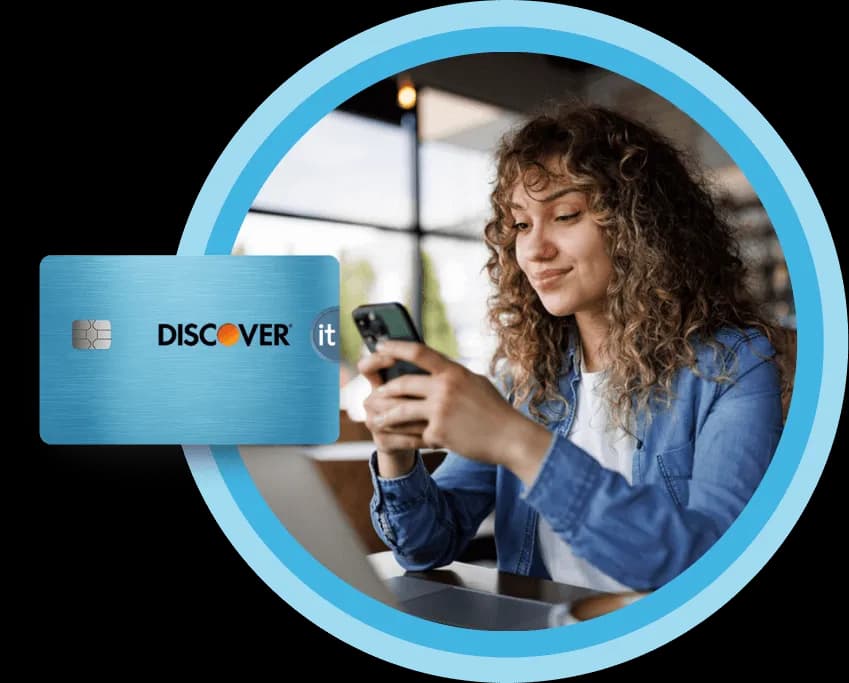
Discover
Discover it Cash Back
4.7
Best for: Those who enjoy maximizing rotating categories
$0
1%–5%
cashback
$300 value
Annual Fee
$0
Rewards
1%–5%
Intro Offer
$300 value
Editor's Pick9/10 score
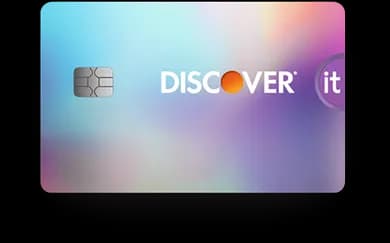
Discover
Discover it Student Cash Back
4.5
Best for: Students wanting maximum first-year rewards
$0
1%–5%
cashback
$150 value
Annual Fee
$0
Rewards
1%–5%
Intro Offer
$150 value
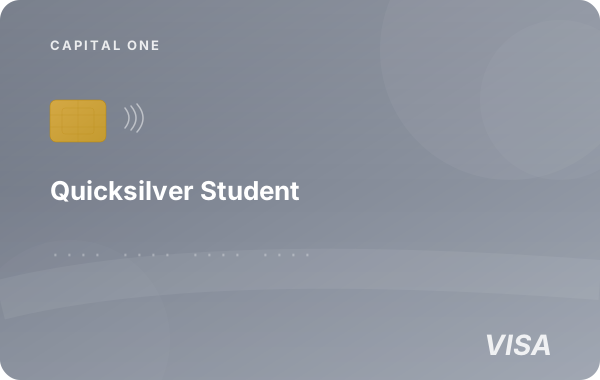
Capital One
Capital One Quicksilver Student Cash Rewards
4.4
Best for: Students studying abroad or international students
$0
1.5%
cashback
$50 value
Annual Fee
$0
Rewards
1.5%
Intro Offer
$50 value
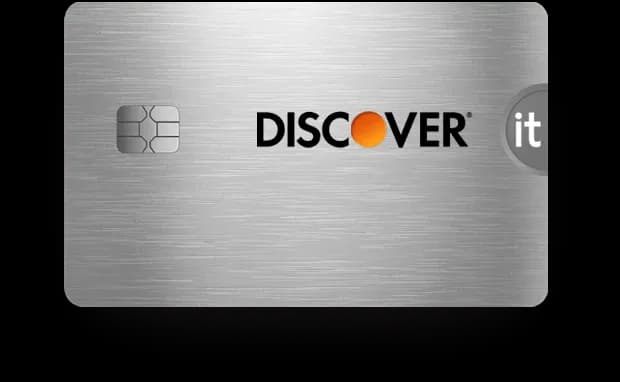
Discover
Discover it Student Chrome
4.3
Best for: College students building credit
$0
1%–2%
cashback
$100 value
Annual Fee
$0
Rewards
1%–2%
Intro Offer
$100 value
Not sure which card is right for you?
Answer 5 quick questions — we'll match you with your best card.
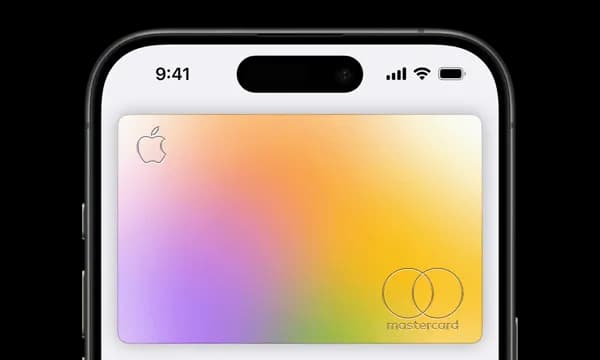
Goldman Sachs
Apple Card
4.3
Best for: iPhone users wanting a seamless, no-fee cashback card
$0
1%–3%
cashback
N/A
Annual Fee
$0
Rewards
1%–3%
Intro Offer
N/A
Chase
Chase Freedom Rise
4.2
Best for: College students starting their credit journey
$0
1.5%
cashback
$25 value
Annual Fee
$0
Rewards
1.5%
Intro Offer
$25 value
Bank of America
Bank of America Travel Rewards for Students
4.1
Best for: Students who travel internationally
$0
1.5x
points
$250 value
Annual Fee
$0
Rewards
1.5x
Intro Offer
$250 value
Stride Bank
Chime Credit Builder Secured Visa
4.2
Best for: People who want a risk-free way to build credit
$0
None
cashback
N/A
Annual Fee
$0
Rewards
None
Intro Offer
N/A
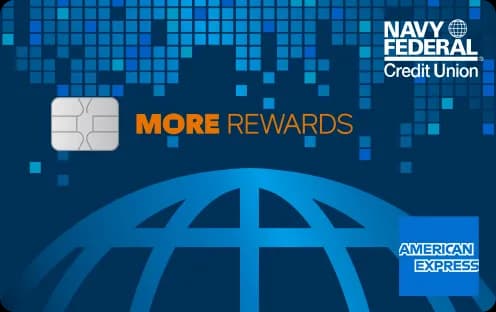
Navy Federal Credit Union
Navy Federal More Rewards American Express
4.3
Best for: Military families who want low APR and solid rewards
$0
1x–3x
points
0% APR / 12 mo
Annual Fee
$0
Rewards
1x–3x
Intro Offer
0% APR / 12 mo
Coinbase
Coinbase Visa Debit Card
3.8
Best for: Crypto enthusiasts who want to earn Bitcoin/ETH on daily spending
$0
1%–4%
mixed
N/A
Annual Fee
$0
Rewards
1%–4%
Intro Offer
N/A
TD Bank
Target REDcard Credit Card
4
Best for: Frequent Target shoppers
$0
0%–5%
cashback
N/A
Annual Fee
$0
Rewards
0%–5%
Intro Offer
N/A
Crypto.com
Crypto.com Visa Card
3.6
Best for: Crypto holders who want lifestyle perks and high cashback rates
$0
1%–3%
mixed
N/A
Annual Fee
$0
Rewards
1%–3%
Intro Offer
N/A
Comparing the best cards
| Credit Card | Best For | Annual Fee | Rewards | Intro Offer | Rating |
|---|---|---|---|---|---|
| Discover it Cash Back Discover | Those who enjoy maximizing rotating categories | $0 | 1%–5% | $300 value | 4.7 |
| Discover it Student Cash Back Discover | Students wanting maximum first-year rewards | $0 | 1%–5% | $150 value | 4.5 |
| Capital One Quicksilver Student Cash Rewards Capital One | Students studying abroad or international students | $0 | 1.5% | $50 value | 4.4 |
| Discover it Student Chrome Discover | College students building credit | $0 | 1%–2% | $100 value | 4.3 |
| Apple Card Goldman Sachs | iPhone users wanting a seamless, no-fee cashback card | $0 | 1%–3% | — | 4.3 |
| Chase Freedom Rise Chase | College students starting their credit journey | $0 | 1.5% | $25 value | 4.2 |
| Bank of America Travel Rewards for Students Bank of America | Students who travel internationally | $0 | 1.5x | $250 value | 4.1 |
| Chime Credit Builder Secured Visa Stride Bank | People who want a risk-free way to build credit | $0 | 0% | — | 4.2 |
| Navy Federal More Rewards American Express Navy Federal Credit Union | Military families who want low APR and solid rewards | $0 | 1x–3x | 0% / 12 mo | 4.3 |
| Coinbase Visa Debit Card Coinbase | Crypto enthusiasts who want to earn Bitcoin/ETH on daily spending | $0 | 1%–4% | — | 3.8 |
| Target REDcard Credit Card TD Bank | Frequent Target shoppers | $0 | 0%–5% | — | 4 |
| Crypto.com Visa Card Crypto.com | Crypto holders who want lifestyle perks and high cashback rates | $0 | 1%–3% | — | 3.6 |
How We Ranked These Cards
Our first credit card rankings evaluate cards suited for applicants with no credit history and prioritize approval likelihood for thin-file applicants (25%), credit-building effectiveness including reporting to all three bureaus (25%), simplicity and low fees (20%), rewards for beginners (15%), and educational tools and mobile app quality (15%).
We model a first-time cardholder: age 18-25, no existing credit file, spending $800-$1,200/month primarily on dining, gas, and everyday purchases. The ideal first card has no annual fee, requires no deposit (or a low deposit if secured), offers some rewards, and provides tools like free FICO score monitoring and spending alerts. We heavily weight the path to better cards — how quickly responsible use leads to graduation or qualification for premium products.
What You Need to Know
Getting your first credit card is one of the most important financial decisions a young adult makes. A credit history, once established, affects apartment applications, car insurance rates, employment background checks, and eventually mortgage qualification. Starting early with the right card accelerates your financial life.
The chicken-and-egg problem is the biggest hurdle: most good cards require credit history, but you need a card to build history. Three paths exist. First, student credit cards (Discover it Student, Capital One SavorOne Student) are designed for enrolled college students and have relaxed approval criteria. Second, secured cards (Discover it Secured, Capital One Quicksilver Secured) accept applicants with no credit history in exchange for a refundable deposit. Third, becoming an authorized user on a parent's card inherits their account history — but choose carefully, as their missed payments would hurt your score too.
Student cards deserve first consideration if you're enrolled in college. The Discover it Student Cash Back earns 5% on rotating categories and 1% on everything, plus Discover matches all cashback earned in the first year (effectively doubling rewards). It reports to all three bureaus, charges no annual fee, and includes a Good Grade Reward of $20 per year for maintaining a 3.0+ GPA. Capital One's student cards offer similar benefits with simpler flat-rate earning.
The first-year strategy is crucial. Apply for one card only — multiple applications without credit history will all likely be denied and the hard inquiries will make future applications harder. Use the card for 1-2 small recurring purchases (streaming subscriptions are perfect) and set up autopay for the full balance. After 6-8 months of perfect payments, your FICO score should be 670-720, qualifying you for mainstream rewards cards.
Common first-card mistakes include maxing out the limit (devastating to your utilization ratio), paying only the minimum (accruing expensive interest), and closing the card after a year. Your first card should remain open for years or decades — its age becomes the foundation of your credit history. Even if you later get better cards, keep the first one active with a small recurring charge.
Expert Tips
Start with one card and one small recurring charge
Put a single subscription ($10-$15/month for streaming) on your first card and set up autopay for the full statement balance. This builds 12 months of perfect payment history with zero effort. After your score reaches 670+, you can begin strategically adding cards for different reward categories.
Become an authorized user on a parent's oldest card for an instant boost
Being added as an authorized user on a parent's long-standing card with perfect payment history can instantly add years of positive credit history to your file. This can raise a thin-file score by 50-100 points overnight. Ensure the card has no late payments and low utilization before being added.
Use the Discover it Student for doubled first-year rewards
Discover matches 100% of the cashback you earn in your first year. If you earn $150 in cashback through the 5% rotating categories and 1% on everything else, Discover adds another $150 at the end of year one. No other student card offers this first-year bonus, making it the best starter card for rewards.
Common Mistakes to Avoid
Applying for a premium card as your first application
Cards like the Chase Sapphire Preferred or Amex Gold require established credit history and will deny thin-file applicants. Each denial creates a hard inquiry that makes the next application harder. Start with a student or secured card, build 12 months of history, then apply for mid-tier cards.
Maxing out your first credit card's low limit
First cards typically have $300-$1,000 limits. Using 80-100% of this limit sends your utilization ratio sky-high, actively hurting your score. Keep spending below 10% of your limit — on a $500 limit, that means $50 or less when your statement closes. Pay before the closing date to manage reported utilization.
Closing your first card after getting a better one
Your first card's account age becomes the oldest item on your credit report — a valuable factor in your FICO score. Closing it shortens your credit history and reduces your total available credit. Keep it open with a small monthly charge (like a streaming subscription) and set autopay to never think about it.
Frequently Asked Questions
What is the best first credit card for an 18-year-old?▾
The Discover it Student Cash Back is the top choice for college students: no annual fee, 5% rotating categories, cashback match doubles first-year rewards, Good Grade Reward, and reports to all three bureaus. For non-students, the Discover it Secured or Capital One Quicksilver Secured are strong alternatives with refundable deposits.
Can I get a credit card with no credit history?▾
Yes. Student cards (Discover it Student, Capital One SavorOne Student), secured cards (Discover it Secured), and cards that use alternative data (Petal 2 analyzes bank account history) all accept applicants with no credit history. Secured cards have the highest approval rates since your refundable deposit reduces the issuer's risk.
How long does it take to build credit from nothing?▾
You can generate a FICO score within 6 months of opening your first credit account. With on-time payments and low utilization, expect a 670-720 score after 12 months. After 24 months of perfect history, you'll qualify for most mainstream rewards cards. The key is making every payment on time — payment history is 35% of your FICO score.
Should I get a secured or student credit card as my first?▾
If you're a college student, get a student card — they offer better rewards and don't require a deposit. The Discover it Student is the gold standard. If you're not a student, a secured card like the Discover it Secured ($200 deposit) is your best path. Both report to all three bureaus and lead to unsecured upgrades.
Does being an authorized user build credit?▾
Yes, if the card issuer reports authorized user activity to credit bureaus (most major issuers do). You inherit the primary cardholder's account history, payment record, and utilization for that card. Choose an account with a long history, perfect payments, and low utilization. You can be removed at any time without closing the account.
Sources
More Best Card Lists
Travel Credit CardsCash Back Credit CardsCredit Cards for DiningNo Annual Fee Credit CardsRewards Credit CardsBalance Transfer CardsStudent Credit CardsCards with No Foreign Transaction FeesBusiness Credit CardsSecured Credit CardsCredit Cards for Bad Credit0% APR Credit CardsCredit Cards for GasCredit Cards for GroceriesFlat-Rate Cash Back CardsPremium Credit CardsHotel Credit CardsAirline Credit CardsCredit Cards for MilitaryCredit Cards for FamiliesCredit Cards for Rent PaymentsCredit Cards for Subscriptions & StreamingLuxury Credit CardsCredit Cards for BeginnersCredit Cards for Online ShoppingCrypto & Fintech Credit CardsSmall Business Credit CardsCredit Cards for Bills & UtilitiesHigh Credit Limit CardsCredit Cards for AmazonCredit Cards for CostcoCredit Cards for Self-EmployedCredit Card Sign-Up BonusesCredit Cards for International TravelCredit Cards for Excellent CreditCredit Cards for Good CreditCredit Cards for Fair CreditVisa Credit CardsMastercard Credit CardsAmerican Express CardsCredit Cards for U.S. NewcomersCredit Cards with Free FICO ScoreCredit Cards for Apple Pay & ContactlessMetal Credit CardsCredit Cards from Online Banks & FintechsCredit Cards with No Credit CheckInstant Approval Credit Cards