Best Credit Cards for Amazon (April 2026)
Earn 5% back at Amazon and Whole Foods
The average American spends over $1,500/year on Amazon. With the right card, that's $75+ in free rewards. We've ranked the best cards for Amazon shoppers — from the official Prime Visa at 5% to flexible alternatives that earn 3-5% on online shopping without locking you into one retailer.
Reviewed by CardCompare Editorial Board
|CFP-reviewed|Updated April 20264 cards foundUpdated March 2026
Credit Card
Annual Fee
Rewards Rate
Intro Offer
BEST CREDIT CARDS FOR AMAZON
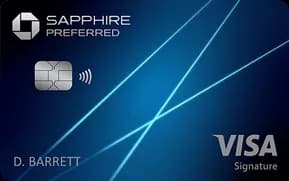
Chase
Chase Sapphire Preferred
4.7
Best for: Frequent travelers who dine out often
$95
1x–5x
points
$750 value
Annual Fee
$95
Rewards
1x–5x
Intro Offer
$750 value
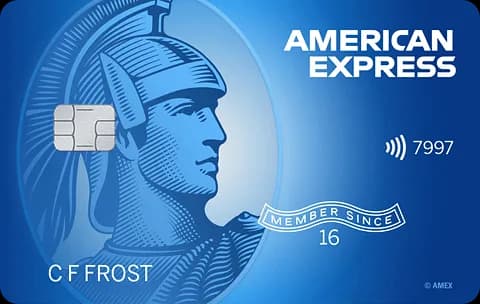
American Express
Blue Cash Everyday Card from American Express
4.4
Best for: Everyday household spending — groceries, gas, and online shopping
$0
1%–3%
cashback
$200 value
Annual Fee
$0
Rewards
1%–3%
Intro Offer
$200 value
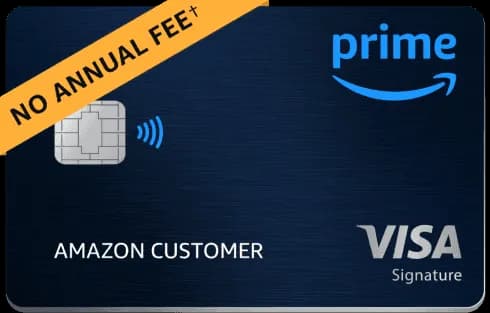
Chase
Amazon Prime Visa
4.5
Best for: Amazon Prime members who shop frequently on Amazon
$0
1%–5%
cashback
$200 value
Annual Fee
$0
Rewards
1%–5%
Intro Offer
$200 value
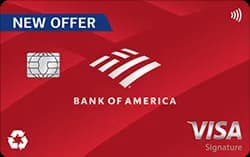
Bank of America
Bank of America Customized Cash Rewards
4.3
Best for: Bank of America customers who want category flexibility
$0
1%–3%
cashback
$200 value
Annual Fee
$0
Rewards
1%–3%
Intro Offer
$200 value
Not sure which card is right for you?
Answer 5 quick questions — we'll match you with your best card.
Comparing the best cards
| Credit Card | Best For | Annual Fee | Rewards | Intro Offer | Rating |
|---|---|---|---|---|---|
| Chase Sapphire Preferred Chase | Frequent travelers who dine out often | $95 | 1x–5x | $750 value | 4.7 |
| Blue Cash Everyday Card from American Express American Express | Everyday household spending — groceries, gas, and online shopping | $0 | 1%–3% | $200 value | 4.4 |
| Amazon Prime Visa Chase | Amazon Prime members who shop frequently on Amazon | $0 | 1%–5% | $200 value | 4.5 |
| Bank of America Customized Cash Rewards Bank of America | Bank of America customers who want category flexibility | $0 | 1%–3% | $200 value | 4.3 |
How We Ranked These Cards
Our Amazon card rankings evaluate earning rate on Amazon.com and Whole Foods purchases (30%), Prime membership integration (20%), earning rate on non-Amazon spending (15%), sign-up bonus or introductory offer (15%), financing options for Amazon purchases (10%), and additional perks like purchase protection and extended warranty (10%).
We model a Prime household spending $400/month on Amazon, $200/month at Whole Foods, $300 on dining, and $1,100 on other purchases. The Amazon Prime Visa earns 5% on Amazon and Whole Foods with Prime membership ($360/year on Amazon spending alone). Without Prime, the Amazon Visa earns 3% — still competitive. We factor in the cost of Prime membership ($139/year) when calculating net value for non-members. Special financing offers (0% APR for 6-24 months on large purchases) are valued separately for big-ticket buyers.
What You Need to Know
Amazon credit cards occupy a unique niche in the rewards landscape because they're optimized for the single largest e-commerce platform in the world. With over 200 million Prime members globally and the average US Prime household spending $1,400+ annually on Amazon, the earning potential is substantial.
The Amazon Prime Visa Signature Card remains the gold standard for Amazon shoppers. Its 5% back on Amazon.com and Whole Foods Market (with Prime membership) is unmatched by any general-purpose card. At $400/month in Amazon spending, that's $240/year in rewards — enough to offset a significant portion of the $139 Prime annual fee. The card also earns 2% at restaurants, gas stations, and drugstores, making it a solid secondary card.
For non-Prime members, the Amazon Visa earns 3% on Amazon purchases, which is still competitive against general-purpose 2% flat-rate cards. The key question is whether your Amazon spending justifies the Prime membership cost. At $400+/month on Amazon, the 2% differential (5% vs. 3%) generates $96/year — not enough alone to justify Prime at $139, but when combined with free shipping and streaming, the math works for most households.
The Amazon Store Card (not a Visa) offers an alternative with special financing: 0% APR for 6, 12, or 24 months on purchases of $50+. This is valuable for big-ticket electronics or furniture purchases but comes with a critical trap — deferred interest means you owe all accrued interest if the balance isn't paid in full by the promotional period's end. The Amazon Prime Visa is generally the better choice for most shoppers.
Stacking Amazon rewards is where experienced shoppers maximize value. Combine the Prime Visa's 5% back with Amazon Subscribe & Save (up to 15% off), Lightning Deals, and credit card reward portals for compounding discounts. Using Amazon gift cards purchased through portal cashback sites can add another 1-3%. Power shoppers regularly achieve effective discounts of 15-25% on routine purchases.
Expert Tips
Stack Prime Visa rewards with Subscribe & Save for maximum savings
Use the Prime Visa (5% back) on Subscribe & Save orders (up to 15% off) for compounding discounts. A $50/month Subscribe & Save order earns $2.50 back from the card plus up to $7.50 from the subscription discount — effectively saving 20% on household essentials like diapers, coffee, and cleaning supplies.
Use the Amazon Prime Visa as your gas and dining backup card
At 2% back on gas stations, restaurants, and drugstores, the Prime Visa is a solid backup for categories not covered by your primary cards. It beats most no-annual-fee options in these categories and requires no quarterly activation or spending caps.
Redeem rewards at checkout for instant statement value
Amazon lets you apply Prime Visa rewards directly at checkout, but the better strategy is redeeming as a statement credit, which preserves your ability to earn 5% on the full purchase amount. Paying with points at checkout means you earn 0% on the points-paid portion.
Common Mistakes to Avoid
Assuming 5% back without Prime membership
The Amazon Prime Visa only earns 5% on Amazon and Whole Foods if you maintain an active Prime membership ($139/year). Without Prime, the rate drops to 3%. Before applying, confirm your Amazon spending justifies the combined cost of Prime plus any opportunity cost versus a flat 2% card.
Choosing the Store Card over the Visa for everyday use
The Amazon Store Card can only be used on Amazon.com, while the Amazon Prime Visa works everywhere Visa is accepted and earns 2% at restaurants, gas, and drugstores. Unless you specifically need 0% financing on a large Amazon purchase, the Visa is almost always the better long-term choice.
Ignoring deferred interest on the Store Card promotional financing
Amazon Store Card offers 0% APR for 6-24 months, but this is deferred interest — not waived interest. If you carry even $1 past the promo period, you owe all accumulated interest retroactively, often at 29.99% APR. Pay the full balance at least one month before the promo expires.
Frequently Asked Questions
Is the Amazon Prime Visa worth it?▾
If you spend $200+/month on Amazon and already have Prime, absolutely. At $400/month on Amazon, you earn $240/year in cashback. The card has no annual fee, so the only cost consideration is your Prime membership ($139/year). Even at $200/month, the 5% rate earns $120/year — roughly covering your Prime cost.
What is the difference between the Amazon Prime Visa and Amazon Store Card?▾
The Prime Visa is a full Visa credit card usable anywhere, earning 5% on Amazon/Whole Foods and 2% on gas, dining, and drugstores. The Store Card is Amazon-only with 5% back plus special financing (0% APR for 6-24 months on purchases $50+). Choose the Visa for everyday use; the Store Card only if you need promotional financing.
Do I need Prime to get the Amazon credit card?▾
No. Amazon offers a non-Prime version of the Visa card that earns 3% on Amazon purchases, 2% at gas stations, restaurants, and drugstores, and 1% everywhere else. You don't need Prime membership to apply. If you later add Prime, your Amazon earning rate automatically upgrades to 5%.
Can I use Amazon credit card rewards outside Amazon?▾
Yes, the Amazon Prime Visa rewards can be redeemed as statement credits, at Amazon checkout, or for travel through Chase's portal. Statement credits offer the best flexibility. You can also redeem at select partner merchants, though Amazon checkout or statement credits typically provide the most straightforward value.
Does the Amazon card work at Whole Foods?▾
Yes. The Amazon Prime Visa earns 5% back at Whole Foods Market with an active Prime membership, the same rate as Amazon.com purchases. This applies to in-store and online Whole Foods orders. Without Prime, the Whole Foods rate drops to 3%, still competitive against most grocery cards.
Sources
More Best Card Lists
Travel Credit CardsCash Back Credit CardsCredit Cards for DiningNo Annual Fee Credit CardsRewards Credit CardsBalance Transfer CardsStudent Credit CardsCards with No Foreign Transaction FeesBusiness Credit CardsSecured Credit CardsCredit Cards for Bad Credit0% APR Credit CardsCredit Cards for GasCredit Cards for GroceriesFlat-Rate Cash Back CardsPremium Credit CardsHotel Credit CardsAirline Credit CardsCredit Cards for MilitaryCredit Cards for FamiliesCredit Cards for Rent PaymentsCredit Cards for Subscriptions & StreamingLuxury Credit CardsCredit Cards for BeginnersCredit Cards for Online ShoppingCrypto & Fintech Credit CardsSmall Business Credit CardsCredit Cards for Bills & UtilitiesFirst Credit CardsHigh Credit Limit CardsCredit Cards for CostcoCredit Cards for Self-EmployedCredit Card Sign-Up BonusesCredit Cards for International TravelCredit Cards for Excellent CreditCredit Cards for Good CreditCredit Cards for Fair CreditVisa Credit CardsMastercard Credit CardsAmerican Express CardsCredit Cards for U.S. NewcomersCredit Cards with Free FICO ScoreCredit Cards for Apple Pay & ContactlessMetal Credit CardsCredit Cards from Online Banks & FintechsCredit Cards with No Credit CheckInstant Approval Credit Cards