Best Balance Transfer Cards (April 2026)
Pay down debt faster with low or 0% intro APR
If you're carrying a balance, these cards offer 0% intro APR periods of 12-21 months, giving you time to pay down debt without accruing interest. We've prioritized the longest 0% periods with the lowest transfer fees.
Reviewed by CardCompare Editorial Board
|CFP-reviewed|Updated April 20265 cards foundUpdated February 2026
Credit Card
Annual Fee
Rewards Rate
Intro Offer
BEST BALANCE TRANSFER CARDS

Citi
Citi Simplicity
4.3
Best for: Paying off high-interest credit card debt
$0
None
cashback
0% APR / 12 mo
Annual Fee
$0
Rewards
None
Intro Offer
0% APR / 12 mo
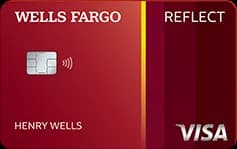
Wells Fargo
Wells Fargo Reflect Card
4.4
Best for: Anyone needing maximum time to pay off debt interest-free
$0
None
cashback
0% APR / 21 mo
Annual Fee
$0
Rewards
None
Intro Offer
0% APR / 21 mo
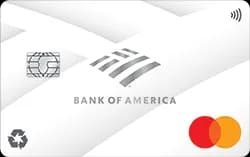
Bank of America
BankAmericard Credit Card
4.2
Best for: Consolidating debt while making new purchases
$0
None
cashback
0% APR / 21 mo
Annual Fee
$0
Rewards
None
Intro Offer
0% APR / 21 mo
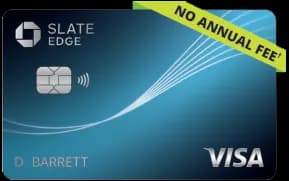
Chase
Chase Slate Edge
4.1
Best for: Building better credit habits while paying off debt
$0
None
cashback
$100 value
Annual Fee
$0
Rewards
None
Intro Offer
$100 value
Not sure which card is right for you?
Answer 5 quick questions — we'll match you with your best card.
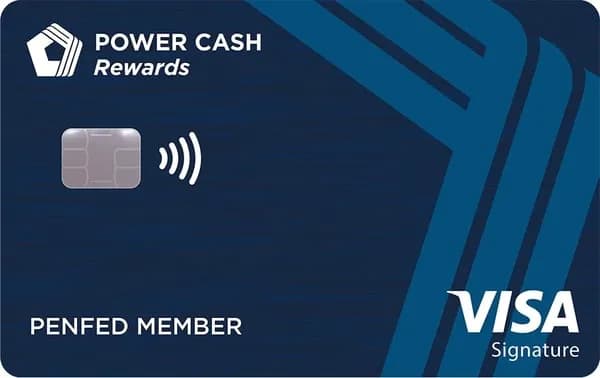
PenFed Credit Union
PenFed Gold Visa Card
4.1
Best for: People transferring a balance who want zero fees
$0
None
cashback
0% APR / 12 mo
Annual Fee
$0
Rewards
None
Intro Offer
0% APR / 12 mo
Comparing the best cards
| Credit Card | Best For | Annual Fee | Rewards | Intro Offer | Rating |
|---|---|---|---|---|---|
| Citi Simplicity Citi | Paying off high-interest credit card debt | $0 | 0% | 0% / 12 mo | 4.3 |
| Wells Fargo Reflect Card Wells Fargo | Anyone needing maximum time to pay off debt interest-free | $0 | 0% | 0% / 21 mo | 4.4 |
| BankAmericard Credit Card Bank of America | Consolidating debt while making new purchases | $0 | 0% | 0% / 21 mo | 4.2 |
| Chase Slate Edge Chase | Building better credit habits while paying off debt | $0 | 0% | $100 value | 4.1 |
| PenFed Gold Visa Card PenFed Credit Union | People transferring a balance who want zero fees | $0 | 0% | 0% / 12 mo | 4.1 |
Head-to-Head Comparisons
How We Ranked These Cards
Balance transfer cards are ranked on intro APR duration (30%), balance transfer fee (20%), post-intro APR range (15%), regular earning rate for ongoing use (15%), and approval odds for fair-to-good credit (20%).
The key calculation is total interest saved. On a $5,000 balance at 22% APR, transferring to a 0% card for 21 months saves approximately $1,833 in interest — even after a 3% transfer fee ($150). We rank cards by net savings on $3,000, $5,000, and $10,000 balances.
Approval likelihood matters because many balance transfer seekers have existing debt that may impact their credit profile. We factor in reported approval rates and minimum credit score requirements from issuer disclosures and anonymized user data.
What You Need to Know
Balance transfer cards are the most powerful debt-elimination tool available to consumers carrying high-interest credit card debt — yet most people either don't know about them or use them incorrectly. The concept is simple: transfer your existing balance from a high-APR card (22-28%) to a new card offering 0% APR for 15-21 months, then pay down the debt interest-free. On a $7,000 balance at 24% APR, a 21-month 0% transfer saves approximately $2,800 in interest even after a 3% transfer fee ($210).
The math behind balance transfers is overwhelmingly favorable in most scenarios. The Citi Simplicity offers 21 months at 0% with a 3% transfer fee, while the Wells Fargo Reflect matches that 21-month period. For someone paying $350/month toward a $7,000 balance at 24% APR, they'd pay $8,400 total on the original card over two years. With a balance transfer, they'd pay $7,210 ($7,000 + $210 fee) — saving $1,190. The key requirement is discipline: you must commit to paying a fixed monthly amount that eliminates the balance before the intro period expires.
Approval is not guaranteed, and this is where many consumers stumble. Balance transfer cards typically require good credit (670+ FICO), which can be challenging if existing debt has already impacted your score. Issuers also consider your total debt-to-income ratio — carrying $20,000 in credit card debt on a $50,000 salary may result in denial or a credit line too small to transfer your full balance. Apply for the card with the longest 0% period first, since each application creates a hard inquiry that temporarily lowers your score, making subsequent approvals harder.
A critical mistake is treating the balance transfer card as a license to spend more. The card should be used exclusively for the transferred balance — no new purchases. New purchases may accrue interest immediately or complicate payment allocation. Issuers are required to apply payments above the minimum to the highest-APR balance first (thanks to the CARD Act), but minimum payments go wherever the issuer chooses. Keep the card in a drawer and use a separate card for daily spending while aggressively paying down the transferred balance.
Expert Tips
Pay off the full balance before the intro period ends
Divide your balance by the number of 0% months and set up autopay for that amount. On a $5,000 balance with 21 months at 0%, that's $239/month. If you still have a balance when the intro period ends, you'll face 18-28% APR on the remainder.
Transfer within the first 60 days to avoid higher fees
Most cards offer a 3% fee on transfers made within 60 days of opening, rising to 5% after. On a $10,000 transfer, that's a $200 difference. Apply, get approved, and initiate the transfer immediately — don't wait.
Don't make new purchases on a balance transfer card
New purchases may not get the 0% rate and can complicate payment allocation. Use a separate card for daily spending and dedicate the BT card entirely to paying down the transferred balance. This avoids confusion and ensures every payment reduces your debt.
Common Mistakes to Avoid
Making new purchases on the balance transfer card
New purchases on a balance transfer card may not receive the 0% rate and can complicate payment allocation. Even if the card offers 0% on purchases too, mixing balances makes it harder to track your payoff progress. Dedicate the balance transfer card entirely to debt repayment and use a separate card for everyday spending.
Paying only the minimum during the 0% period
The minimum payment on a $7,000 balance is typically $35-70/month — at that rate, you'll barely dent the principal before the intro period ends. When the standard APR kicks in (18-27%), you'll face massive interest charges on the remaining balance. Divide your total balance by the number of 0% months and pay at least that amount each month.
Waiting too long to initiate the transfer after approval
Most cards offer the lowest balance transfer fee (3%) only within the first 60 days of account opening. After that, the fee typically jumps to 5%. On a $10,000 transfer, that's a $200 difference. Initiate your transfer within the first week of receiving the card to lock in the best terms and maximize your interest-free runway.
Frequently Asked Questions
What is the longest 0% balance transfer offer?▾
As of 2026, several cards offer 0% intro APR for 18-21 months on balance transfers. The Citi Simplicity and Wells Fargo Reflect are among the longest at 21 months. The exact duration can vary based on your creditworthiness and the current offer cycle.
Does a balance transfer hurt your credit score?▾
Short-term, yes — the hard inquiry and new account will temporarily lower your score by 5-15 points. Long-term, it often helps: lower utilization on existing cards, consistent on-time payments, and reduced interest charges all build a stronger credit profile over 6-12 months.
Can I transfer a balance from one card to the same bank?▾
Generally no. Most issuers don't allow transfers between their own cards. You can't transfer a Chase balance to another Chase card, for example. You'll need a balance transfer card from a different issuer. Check the terms before applying.
More Best Card Lists
Travel Credit CardsCash Back Credit CardsCredit Cards for DiningNo Annual Fee Credit CardsRewards Credit CardsStudent Credit CardsCards with No Foreign Transaction FeesBusiness Credit CardsSecured Credit CardsCredit Cards for Bad Credit0% APR Credit CardsCredit Cards for GasCredit Cards for GroceriesFlat-Rate Cash Back CardsPremium Credit CardsHotel Credit CardsAirline Credit CardsCredit Cards for MilitaryCredit Cards for FamiliesCredit Cards for Rent PaymentsCredit Cards for Subscriptions & StreamingLuxury Credit CardsCredit Cards for BeginnersCredit Cards for Online ShoppingCrypto & Fintech Credit CardsSmall Business Credit CardsCredit Cards for Bills & UtilitiesFirst Credit CardsHigh Credit Limit CardsCredit Cards for AmazonCredit Cards for CostcoCredit Cards for Self-EmployedCredit Card Sign-Up BonusesCredit Cards for International TravelCredit Cards for Excellent CreditCredit Cards for Good CreditCredit Cards for Fair CreditVisa Credit CardsMastercard Credit CardsAmerican Express CardsCredit Cards for U.S. NewcomersCredit Cards with Free FICO ScoreCredit Cards for Apple Pay & ContactlessMetal Credit CardsCredit Cards from Online Banks & FintechsCredit Cards with No Credit CheckInstant Approval Credit Cards